Correctly telling sea trout from salmon, fishing the prime summer nights, and staying within migratory-salmonid rules can lift your catch and protect pressured stocks. Here’s a clear, UK-focused guide to do it right.
Why this matters now
Sea trout are the sea‑running form of our brown trout, and many UK rivers see their summer runs build from June, peaking through July and August. Most feed at night once they enter fresh water, so success hinges on timing after dark, safe night fishing, and knowing the rules for migratory salmonids. With stocks under pressure on many systems, accurate identification and careful handling matter as much as fly choice.
Sea trout versus salmon: fast field ID
Telling a fresh sea trout from a small salmon (a grilse) can be tricky. Use several cues together and, if in doubt, release the fish.
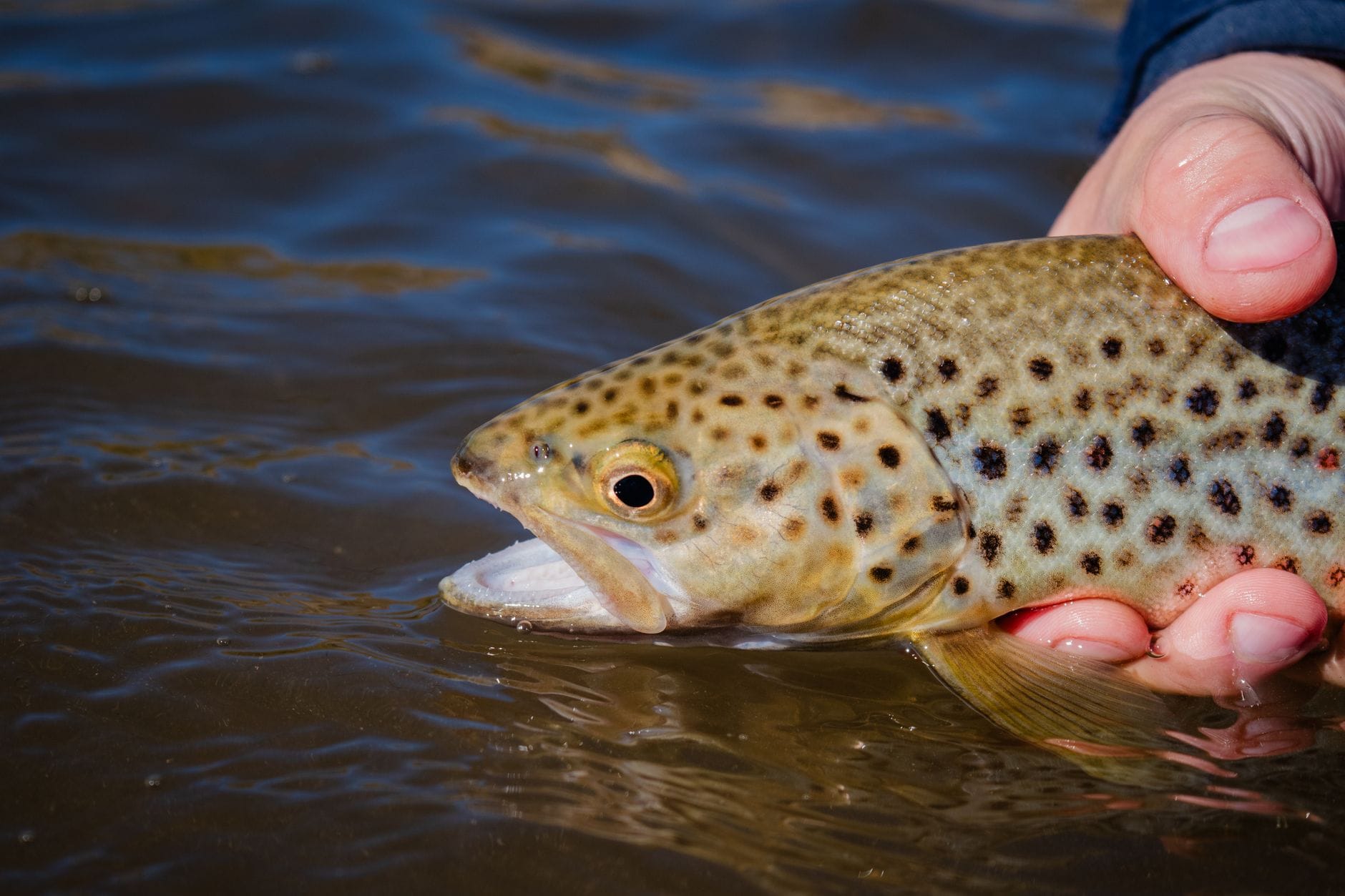
- Spotting: sea trout often show distinct spots below the lateral line; salmon rarely do.
- Tail wrist: sea trout have a broader wrist you can usually encircle with your hand; salmon are slimmer here and harder to grip.
- Head and jaw: sea trout carry a proportionally larger head; the upper jaw bone (maxilla) typically reaches to or beyond the back of the eye.
- Fresh-run sheen: both can be bright silver on arrival, so don’t rely on colour alone.
If you’re unsure, take a quick photo in the net and ask local fishery staff or experienced anglers. Err on the side of caution and return the fish promptly.
Timing the night
- Prime window: the first two hours after full darkness and the hour before dawn are consistently productive.
- Build your plan: walk pools in daylight so you know your wading lines, casting lanes and exit points once it’s dark.
- Work around spates: coloured, rising water can switch on short daytime opportunities. Where it’s permitted, spinning or worming can score in these conditions—always check local rules first.
Simple, proven tactics
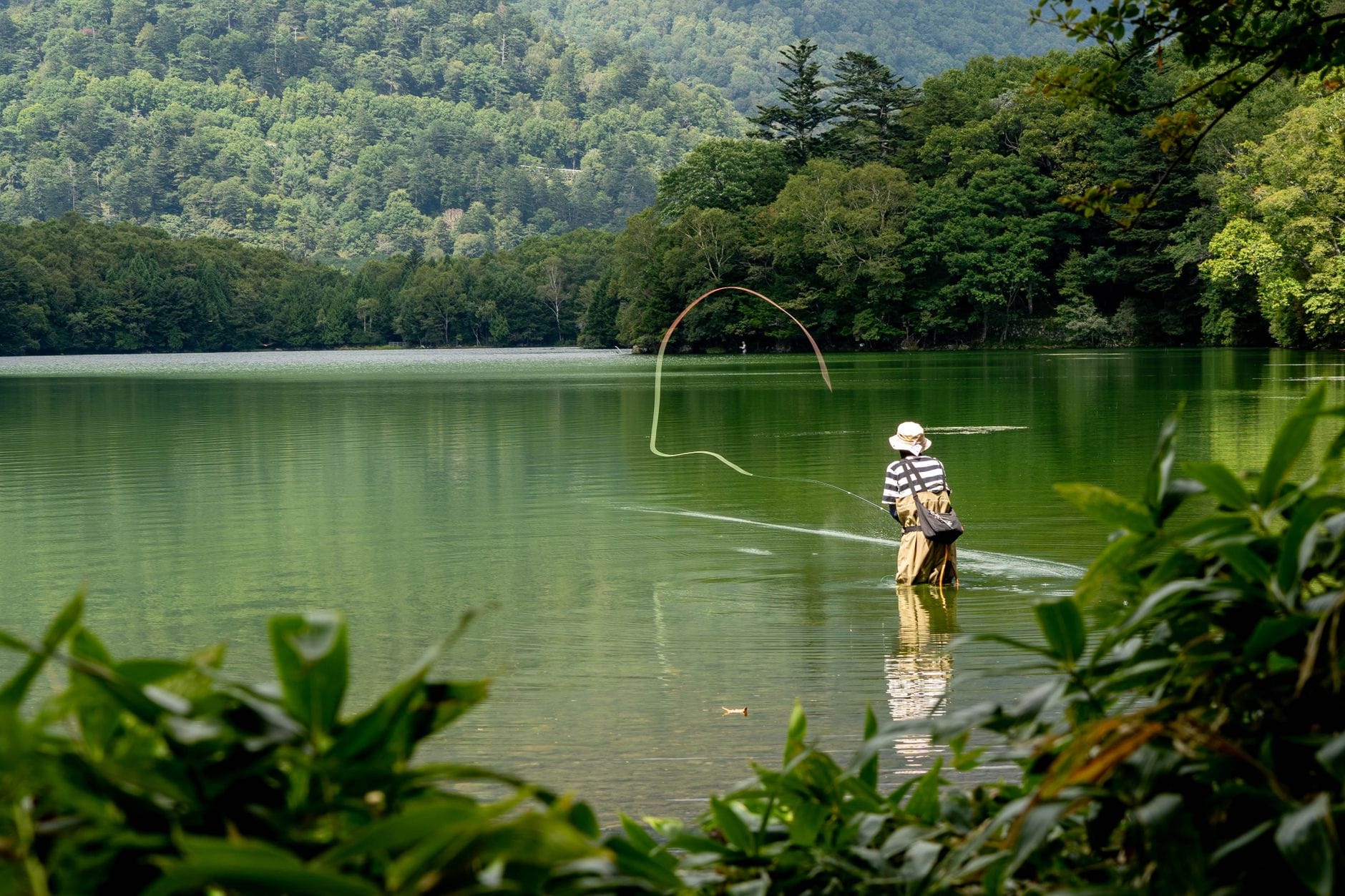
The classic UK method is an across‑and‑down wet‑fly swing at night. Start higher in the water early, then fish deeper or slower as the session develops. Late at night, a surface‑waked fly can be deadly.
Tackle norms are straightforward: on larger rivers a double‑hander brings control and distance; on smaller waters a 10–11 ft single‑hand rod in the 6–8 weight range is a versatile choice. Keep patterns simple and confidence‑led—traditional British sea‑trout wets such as the Butcher, Peter Ross, Teal Blue & Silver and Black Pennell remain solid options.
The rules you must know
Sea trout are managed as migratory salmonids.
- England and Wales: you typically need an Environment Agency rod licence that covers salmon/sea trout, plus the fishery’s own permit.
- Scotland: there is no national rod licence, but you must hold the controlling fishery’s permit.
Closed seasons, catch‑and‑release policies and method restrictions (including night‑fishing rules) vary by river. Check current local regulations—what’s allowed on one beat may be banned on the next. If you meet a spawned fish (a kelt), return it carefully.
Fish care and conservation
Many UK and Irish rivers report long‑term declines in sea‑trout numbers, linked to pressures including sea‑lice issues near salmon farms, changes in prey at sea, habitat degradation and climate impacts. Responsible practice helps:
- Use single or barbless hooks where possible.
- Keep fish in the water for unhooking; minimise air exposure.
- Make releases quick and calm; support the fish until it swims strongly.
Where to start
Strong traditions exist across the UK. Wales remains a summer‑night heartland (think the Teifi, Tywi and Dyfi/Mawddach systems). Scotland’s west and Highland rivers, including Hebridean streams, offer classic short‑line night fishing, with smaller first‑return fish often called finnock or herling. In England, rivers such as the Eden, Lune, Exe and Tamar have established sea‑trout fisheries. Local clubs and ghillies can clarify access, permits and current tactics.
Final thoughts
Plan for darkness, know your ID, carry the right licence or permit, and treat every fish as if it needs to go back. Sea trout are the same species as our browns—but on a July night, they’re a very different challenge.
Find out more
- Buy a rod fishing licence: Buy a rod fishing licence for England and Wales - GOV.UK — Official GOV.UK page to buy a rod fishing licence for England and Wales — shows licence types, prices (including the salmon & sea trout licence), how to buy and reporting requirements.
- Fishing and the Law | Fisheries Management Scotland — Fisheries Management Scotland guidance on fishing law and permits — explains how salmon and sea trout are treated legally in Scotland, ownership of fishing rights and enforcement powers.
- Catch and Release | Wild Trout Trust — Wild Trout Trust practical catch‑and‑release and fish‑handling guidance — step‑by‑step best practice (barbless hooks, keep fish in the water, wet hands, revive before release).
- Salmon and Sea Trout Facts & Recognition — Atlantic Salmon Trust identification notes on salmon and sea trout — useful field cues on general appearance, head shape and other features to help tell the species apart.
Image: Photo: Patagonia Savage / Pexels