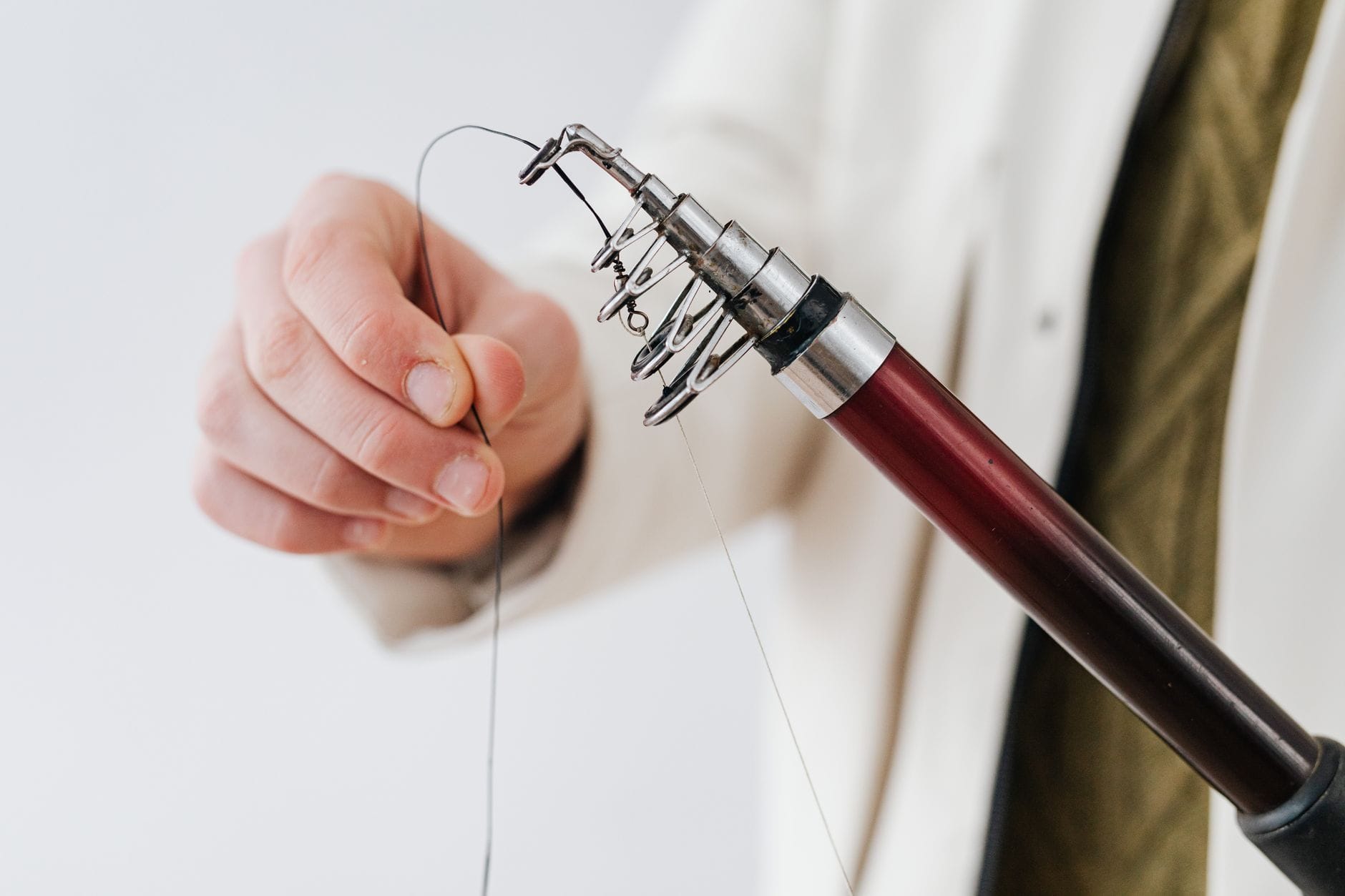
Turn any bit of open ground into a practice strip. Build loop control, accuracy and haul timing at home so river and stillwater casts feel easier when it counts.
The case for practising off water
Short, deliberate sessions on grass or any open space pay off when you return to UK rivers, reservoirs and stillwaters. Expect steadier timing, tidier loops that cope better with wind, and more accurate deliveries to the spot you choose.
Pick a space and the right tools
- Space: a lawn, park corner or field is ideal. Indoors, a clear hallway or similar straight run lets you work short line drills. Keep well away from trees, fences and cars so you can lengthen line safely.
- Tackle: train with the outfit you fish so timing and feel transfer cleanly. If room is limited, start short outside the tip and feed line a little at a time. Where a full fly line will not fit, a length of backing or a dedicated practice line that still bends the rod will do.
- Targets: mark spots with tape crosses, flat discs or chalked dots at set distances and angles you can repeat.
A 30-minute circuit
Break practice into three focused blocks. Keep movements smooth and stops distinct. Rest between blocks and shake out the shoulders.
Block 1: loop tuning with light false casts
Goal: stable tempo and neat, efficient loops.
- Start with a few metres beyond the tip.
- Cast back and forth with minimal effort, pausing long enough for the line to straighten each way.
- Track the rod in a straight path and make crisp stops. Do not chase distance.
- Add small increments of line while keeping the same loop shape and rhythm.
Block 2: clean pick ups and landings
Goal: reliable take offs and straight, quiet deliveries.
- Work with a consistent line length of about seven metres.
- Lay the line straight ahead, then pick up smoothly, accelerate and stop cleanly on the back cast.
- After the back cast straightens, deliver forward with steady acceleration to a firm stop so the leader straightens and settles gently.
- Add a single ground marker and place the fly line leader on or just beyond it. If it crashes, reduce power and tighten the stop.
Block 3: aim and repeatability
Goal: place the loop where you intend at different distances and angles.
- Set two or three markers at varying ranges to your left, ahead and right.
- Cast to each in a simple sequence, adjusting trajectory and modest power rather than forcing speed.
- Note misses, especially any awkward angle or distance, and repeat that scenario until your hit rate improves.
Add-on: build haul timing on dry ground
You can rehearse hauling without water.
- Add a haul on the back cast, then one on the forward cast.
- Start the haul as the rod begins to load, then relax the line hand as you reach the stop so the loop stays clean.
- Practise across different line lengths so the sequence becomes automatic and adds speed without opening the loop.
Advanced options to refresh
- Roll casts: set a stable D loop and guide the rod tip on a steady, rising path to a firm stop.
- Reach or gentle curve deliveries: experiment with body alignment and subtle wrist motion to land the line offset without overpowering the cast.
Pitfalls to watch
- Too much force: heavy-handed acceleration usually creates tailing loops. Smooth out the stroke and keep stops decisive.
- Stance and tracking: set your feet for the angle you are casting and move the rod in a straight line.
- Vague sessions: pick one priority per practice slot, such as loop control, hauling or accuracy.
Small spaces still help
In a compact garden or indoors, short-line work still builds straight tracking, crisp stops and reliable tempo. Keep simple scores, like 10 attempts per target at known ranges, so you can see progress over time.
Wrap up
End each session with a few quiet forward deliveries to settle feel and reinforce clean landings. The aim is not exhaustion but repeatable movement you can take back to the water.
Find out more
- How to Practice Fly Casting Without Water – Orvis UK — Practical, step‑by‑step drills for practising fly casting without water — covers tracking, smooth stops, hauling, roll casts and setting up off‑water sessions.
- Coaching - Angling Trust — Angling Trust’s coaching and Get Fishing map to find licensed coaches and local places to fish in England — useful if you want one‑to‑one casting tuition or organised sessions.
- The Countryside Code: advice for countryside visitors — Official GOV.UK guidance on the Countryside Code — advice on using parks, fields and waterways (including when you may need landowner permission) and how to respect the outdoors while practising.
Image: Photo: https://kaboompics.com/ / Pexels