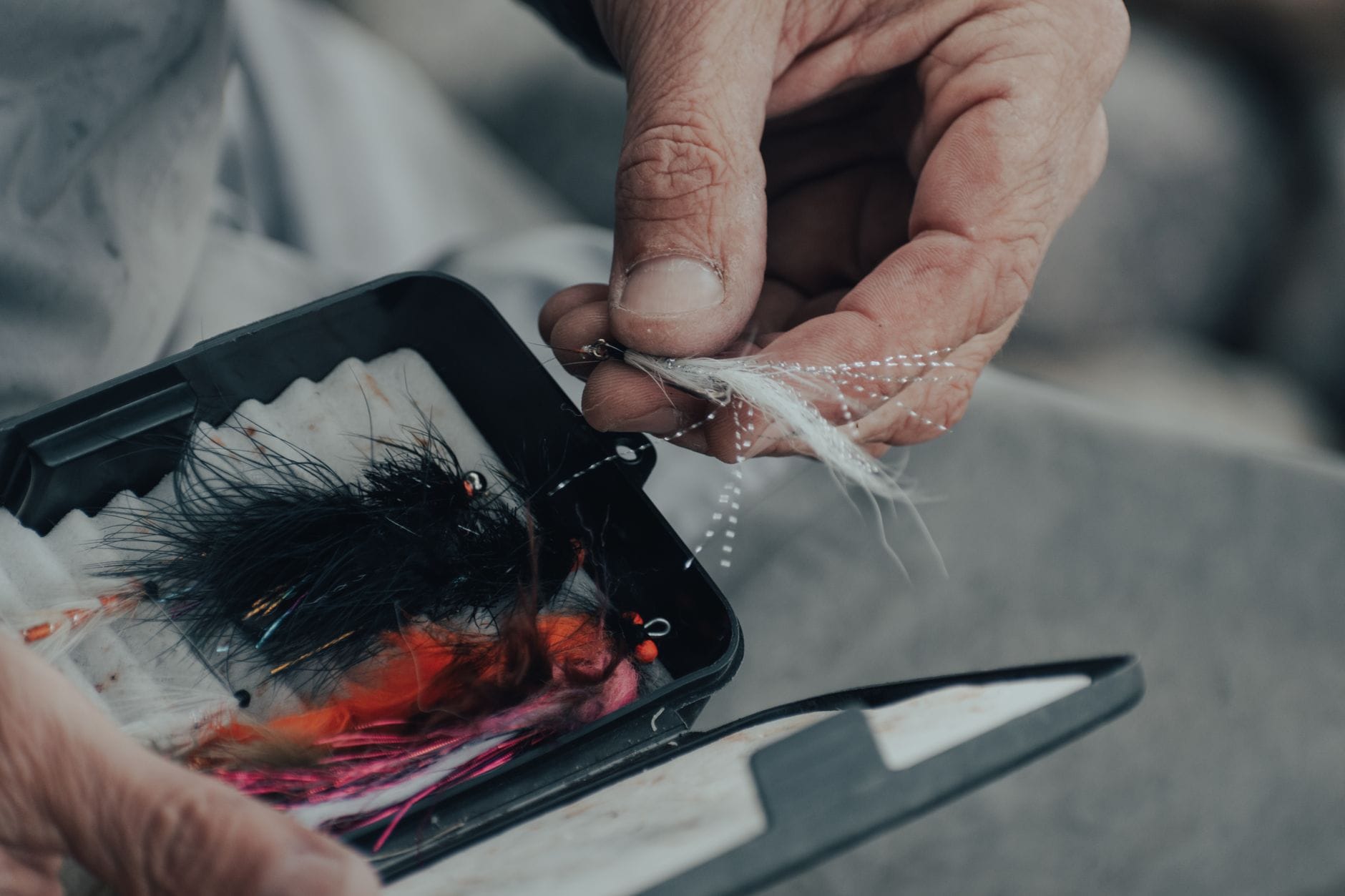
A pragmatic UK tying approach: let the water set the brief, keep dressings slim, master waxed-thread control and mix natural with synthetic for flies that stay fishing.
A clearer path to reliable UK flies
If your fly box is crowded but confidence is thin, Davie McPhail’s approach provides a reset. He prioritises what matters on British water: simple, slim dressings, careful thread handling with wax, and smart blends of materials so flies keep their shape and keep catching.
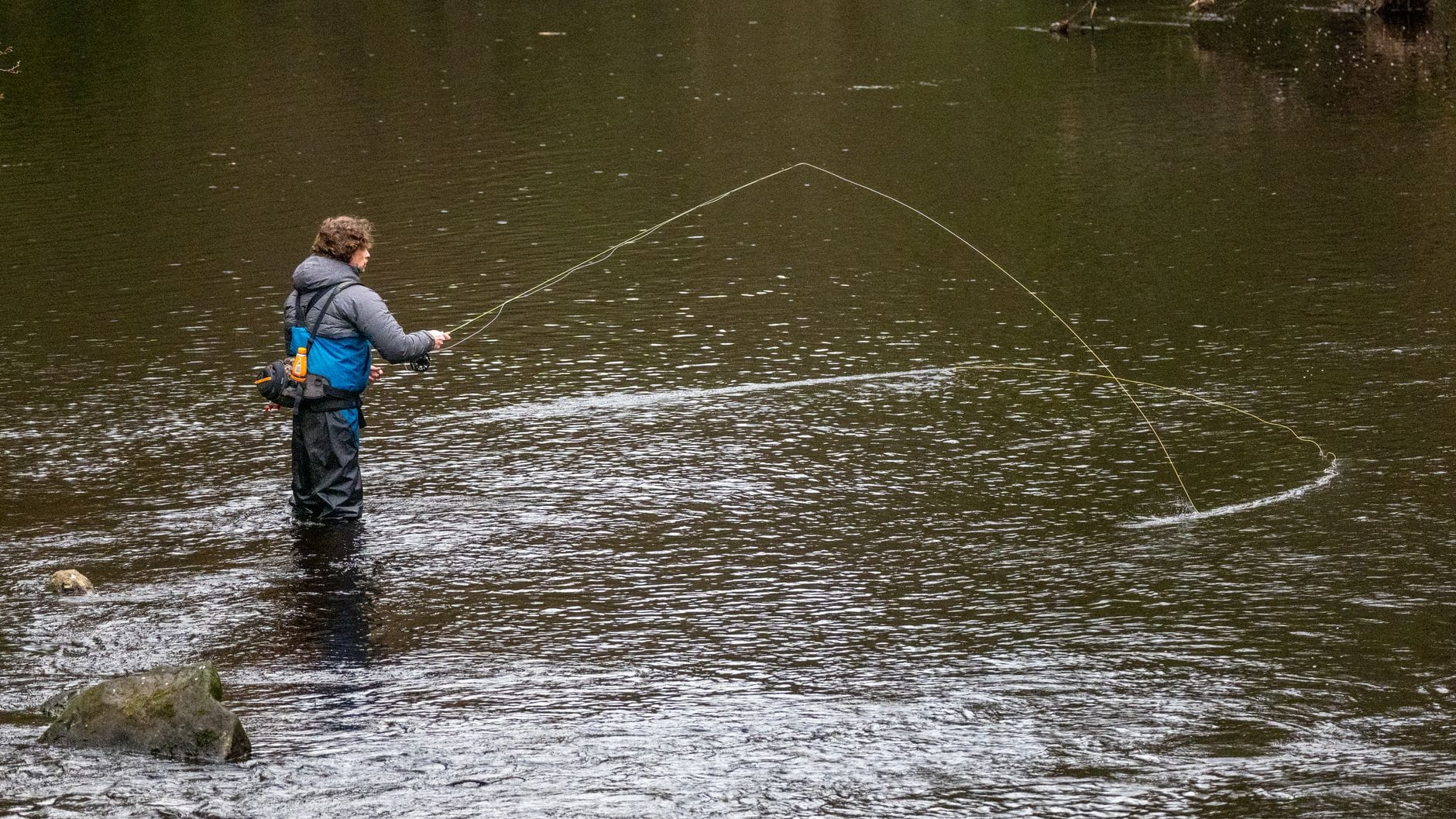
Read the water before you reach for the vise
Start with the river or lake in front of you. Note three essentials from the naturals and the rise forms you see:
- Size: get the length and bulk in the right ballpark.
- Overall tone: think light, medium or dark in the water rather than a paint-chart match.
- Behaviour: how the insect drifts, clings, or struggles.
When fish refuse, think in terms of attitude on the surface. How high the fly rides and how much of it touches the film can matter more than a perfect copy. Adjust sparsity and hackle length to alter that posture.
Control at the vise: thread, wax and tidy proportions
When a fly unravels or mushrooms, the culprit is often inconsistent tension. Smooth wraps and a touch of wax help the thread bite, place materials precisely and compress bulk for a slimmer profile that survives more takes. Keep setup simple and repeatable: steady bobbin distance, good lighting and a posture that lets you apply pressure without snatching.
Proportion is the other lever. Too much material blocks light and kills life. Use hackle length to set how the fly sits: shorter fibres let it sink into the meniscus, longer fibres help it ride higher. Build bodies that taper cleanly and stop adding when the silhouette reads right at arm’s length.
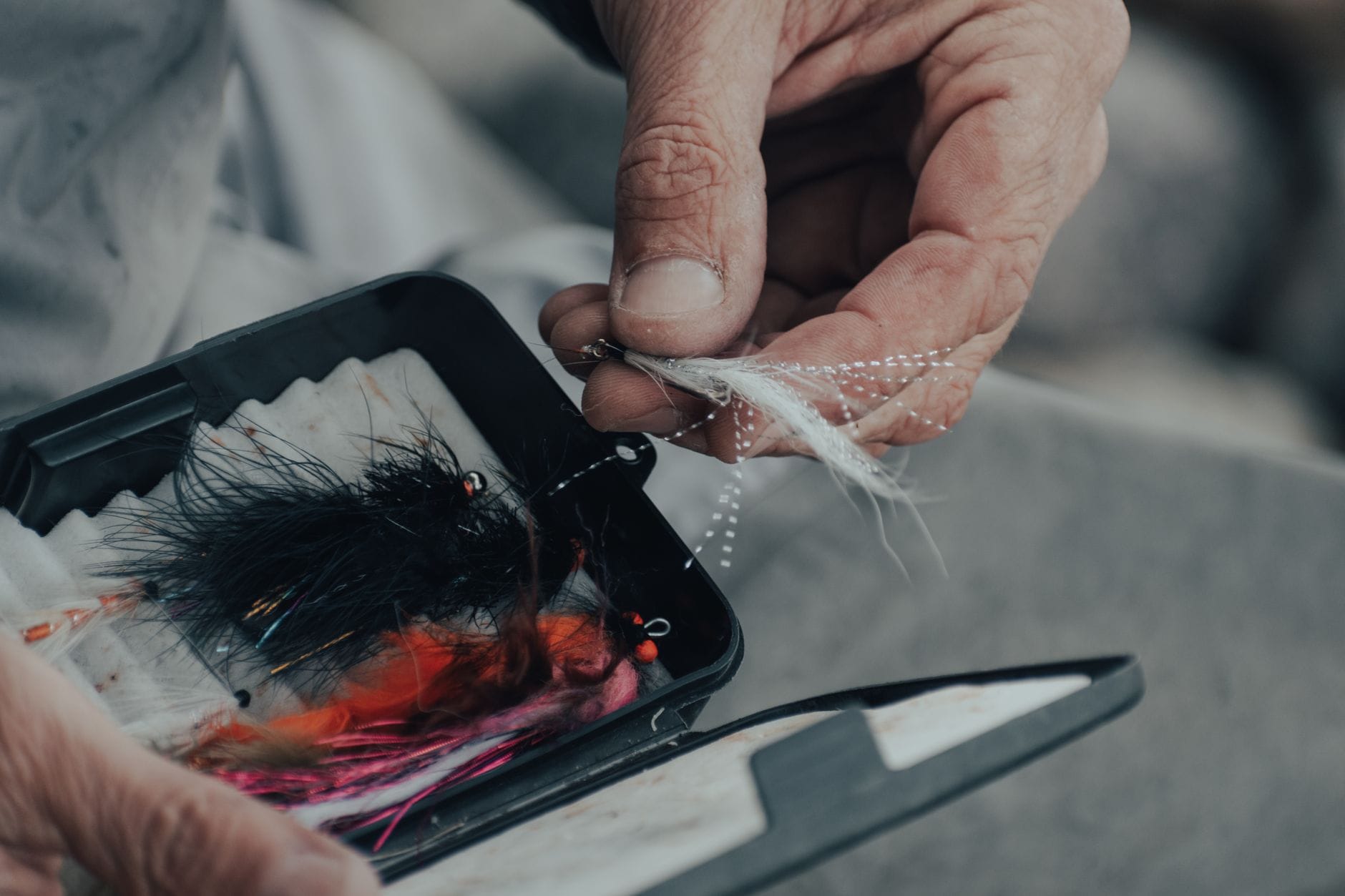
Materials that work hard: blend for movement and longevity
Blending natural and synthetic is central to durability without losing life:
- Pair tough, fine natural fibres for tails or underwings with a visible, resilient synthetic for posts or support.
- Mix dubbings to the right tone, then add only a hint of sparkle or a few lively fibres for translucency.
The aim is suggestion, not clutter. Use just enough to let light through and to keep the fly recognisable after a couple of fish.
UK light, classic families
British conditions reward restraint, and long-standing local styles reflect that. Slim soft hackles that let light through can be devastating in hard, bright windows and during evening returns of spent upwings. On overcast days, a straightforward winged or parachute dry often reads more naturally. McPhail leans into sparse parachute variants for visibility, controllable surface contact and dependable hooking.
For hooks, choose patterns with generous gape and suitable wire for the job so the fly anchors well and, when needed, can carry a dropper above a nymph without folding.
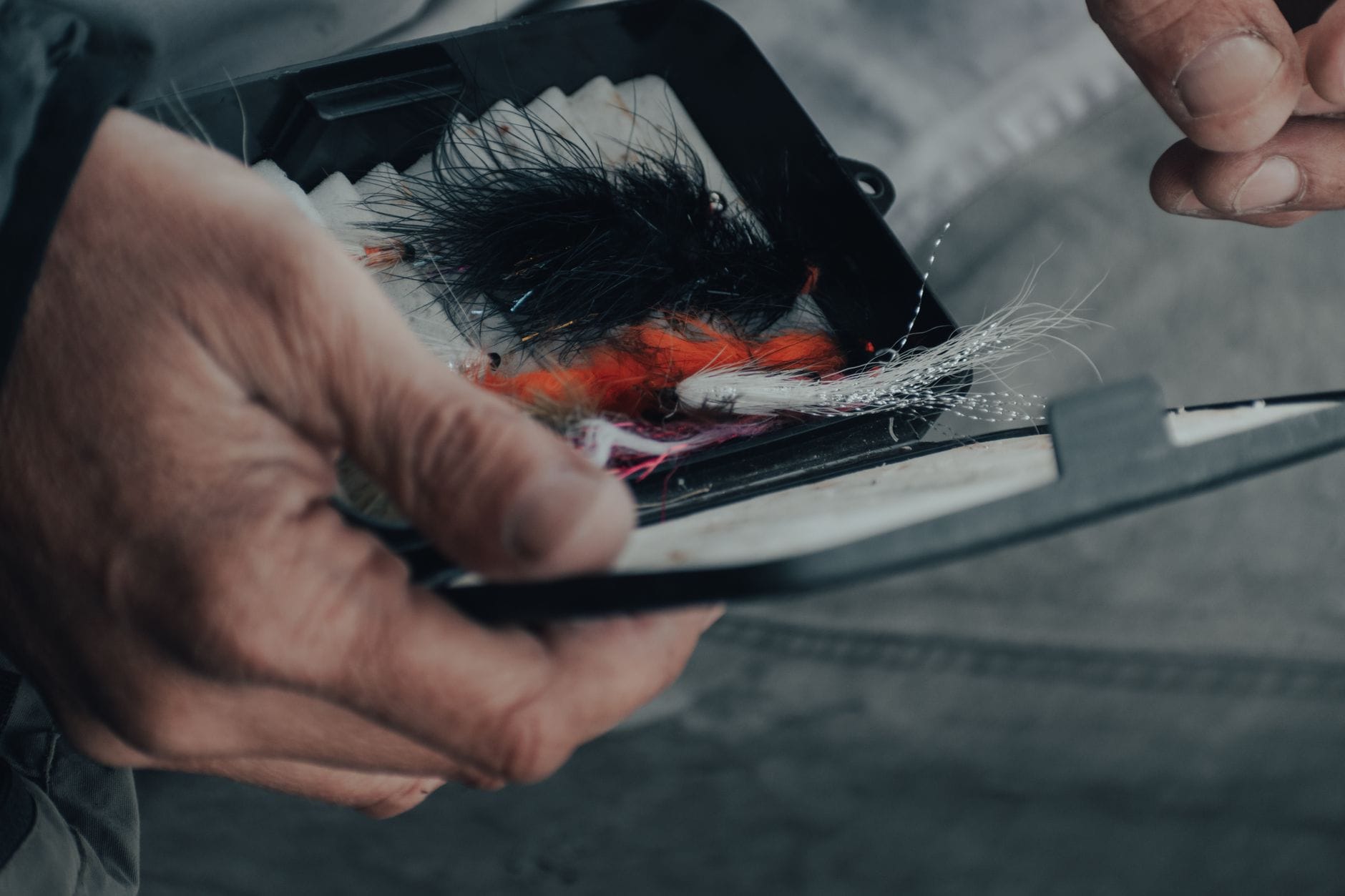
Build a compact, do‑most box
You do not need dozens of dressings. A small set, tied lean and tough, covers many UK situations:
- Parachute dries in olive, brown and a pale spent shade. Use as single dries over risers or as the dry in a searching dry‑dropper rig.
- Soft hackles with slim, glowing bodies for broken water and tricky light. Fish them across, on the lift or dead‑drift.
- Film‑sitters and emergers sized to local olives and upwings for days when fish key on half‑hatched insects.
On rivers, start with a visible parachute to locate interest. If trout inspect but refuse, trim hackle slightly or change sparsity. Switch to a soft hackle or emerger when rise forms suggest fish are feeding just in or under the film. On stillwaters, match ripple with hackle length and keep the palette simple, adjusting tone and size first.
A simple routine that compounds
- Let the water set the tying brief: size, tone and behaviour first.
- Practice smooth, wax‑aided thread control until neat, light dressings are automatic.
- Err on the side of less: proportion and surface contact cues often outscore exact mimicry.
- Mix natural and synthetic for the best balance of movement, translucency and strength.
- Choose hooks that hold well and suit how you fish, including dry‑dropper when appropriate.
Follow this cycle of observation, tidy tying and on‑water feedback and you will change flies less, catch more and keep your box lean without missing the important hatches.
Find out more
- River Wets, Soft Hackles & Nymphs | Davie McPhail — A Davie McPhail video playlist focused on river wets, soft hackles and nymphs — includes parachute and soft‑hackle tying demonstrations for anglers who prefer visual, practical instruction.
- Notes From The Fly Tying Bench - Using Wax in Fly Tying — Notes on using thread wax at the tying bench — explains why to wax, how to apply it and how wax improves thread control and tidy, long‑lasting dressings.
- Parachute Hackle Method - Finish on the Post — Orvis video showing the parachute hackle method and how to finish on the post — step‑by‑step tying guidance for reliable parachute dries.
- Fly Fishing Video Lessons - 14. How to set up a dry dropper rig. | How To Fly Fish With Orvis® — Orvis how‑to video on setting up and fishing a dry‑dropper rig — practical tips on knots, dropper length and choosing flies for a versatile on‑water setup.
- 868 | Davie McPhail - Fly Tying Lessons from a True Master - Wet Fly Swing — A Wet Fly Swing feature with Davie McPhail covering soft hackles, parachutes and his tying approach — useful for readers who want deeper insight into his thinking and tips.
Image: Photo: Gaspar Zaldo / Pexels