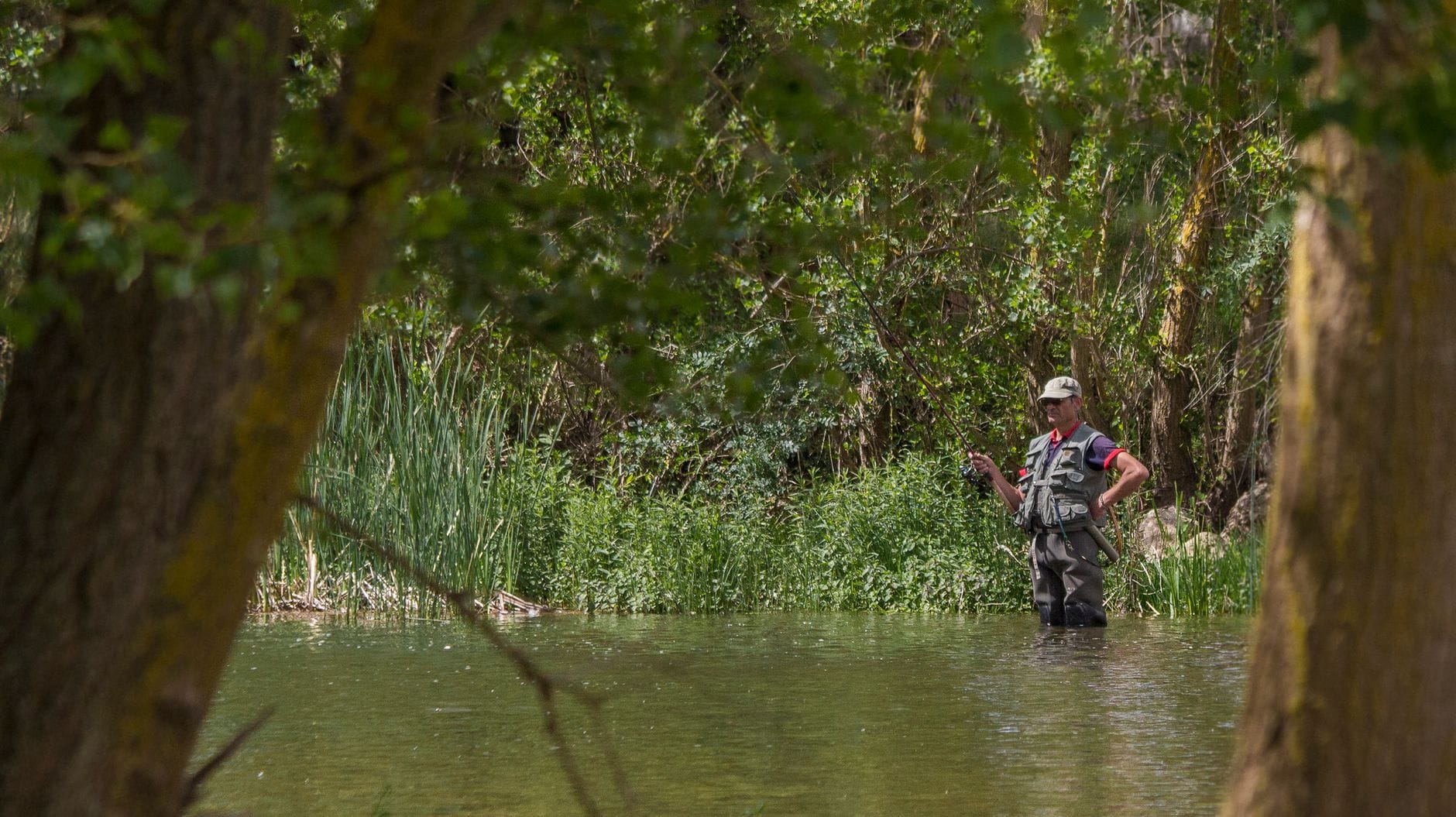
A starter pathway for UK rivers and stillwaters. Learn overhead and roll casts, fish close with stealth and natural drift, limit false casts, and start with one versatile fly on a 9 foot 5 weight.
Why this matters now
Most new fly anglers chase distance, then watch fish refuse a dragging fly at their feet. British water usually punishes that approach. Tight banks, gusty weather and pressured trout and grayling reward short, accurate casts, quiet movement and a fly that drifts naturally. Get those right and you will catch more, sooner, without buying piles of gear or hunting secret patterns.
The two casts that cover most water
You only need two casts to start solving real UK situations.
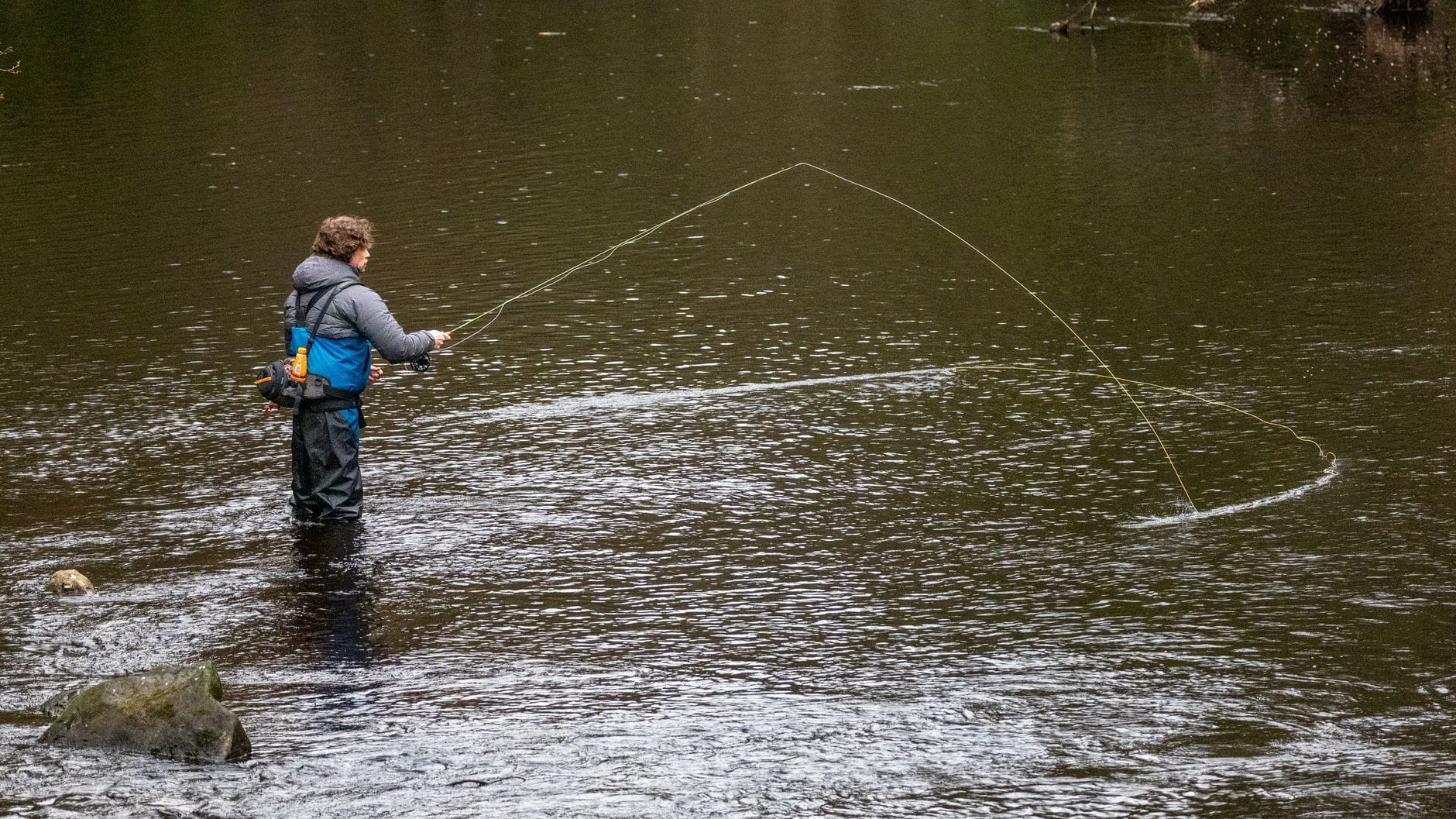
- Overhead cast: Think timing, not muscle. Pause just long enough on the backcast for the line to straighten, then deliver forward. A smooth stop creates tidy loops and accurate landings.
- Roll cast: Essential on tree lined rivers and high banks where a backcast snags. The line stays mostly on the water, you form a D loop beside you, then sweep forward to unroll the leader. Learn it early and you will fish confidently wherever back room is tight.
One clean backcast and one forward cast is a reliable default. Spend more time fishing and less time false casting in the air.
Fish short and close to the bank
Fish are often nearer than you think. Edges with depth, crease lines, soft water below riffles and near bank lies regularly hold feeding fish. Start with water you can reach easily without wading. Move slowly, keep low and watch before you cast. A few minutes of observation for rises or subtle sips often tells you where to place the first shot. If you do wade, do it gently and only as far as needed.
Short, accurate deliveries reduce drag, keep line under control and spook fewer fish. On many beats, that outcatches heroic casts to midstream.
Presentation first: drift, mends and fewer false casts
A natural drift beats an exact pattern most days. If the fly skates or drags, expect refusals. After the cast, lift and reposition line on the water with a mend to match the current. An upstream mend for dry flies slows the line so the fly leads, a downstream mend for across and down presentations helps keep swing under control. The goal is simple, a clean drift that looks alive rather than pulled.
Fewer false casts help. Every extra wave in the air risks spooking fish and tangling in bankside cover. Get used to putting a cast down, mending once or twice, then letting the fly fish.
One fly, one setup, faster progress
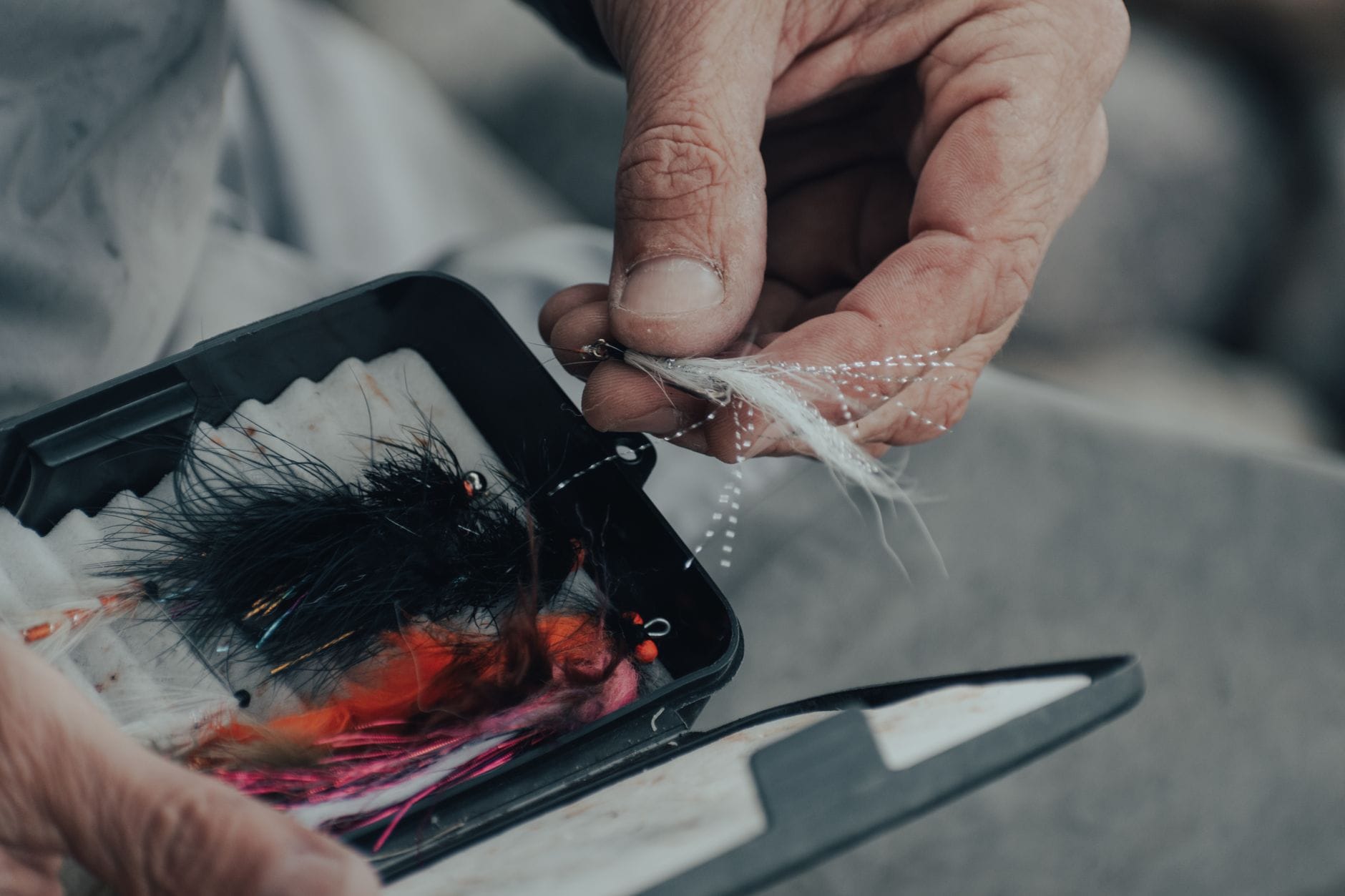
Limiting choices speeds learning. Start with one versatile fly, for example a woolly bugger, and focus on how you present and move it. A simple strip and pause retrieve is often all you need. Watch the line for twitches as well as feeling for pulls.
Pair that with a straightforward outfit that works almost everywhere: a 9 foot 5 weight rod and a floating line. It is a forgiving, all round setup for UK trout and grayling on rivers, small stillwaters and from the bank on many reservoirs. You can cover dries, nymphs and streamers without changing lines or carrying a second rod.
A simple practice plan that sticks
You do not need water to begin. Build skills in small, certain steps.
- On the lawn: Tie a bit of yarn to your leader and learn to land it softly on a bucket lid or hoop. Focus on straight line paths and clean stops.
- First water sessions: Make short upstream or across and down presentations within about 15 feet of the bank. Aim for soft landings, then lift and mend to keep the fly drifting naturally.
- Drift awareness: Watch how different currents grab your line. Mend early and lightly. Count how long the fly drifts cleanly, then try to extend that time by a second or two.
- Add distance gradually: Only step back when you can keep the short game under control. Longer casts should be the reward for tidy mechanics, not a shortcut.
A little preparation at home saves fish time later. Have two knots wired before you go: the improved clinch to tie fly to tippet and the surgeon's knot to join tippet to leader.
Common pitfalls and easy fixes
- Chasing distance: If you are not getting takes, fish closer rather than further. Cover near bank lies before firing mid river.
- Too many false casts: Make one backcast and deliver. If the length is wrong, strip or shoot a little line next cast instead of aerial juggling.
- Wading first, looking later: Stand back, watch for rises and travel lanes, then plan a single, smart cast.
- Constant fly changes: Give a well presented fly a fair run before switching. Fix drag and line control first.
When to stretch a little further
Open, windy reservoirs sometimes ask for more line speed and reach. Even then, the same foundations apply. Cast only as far as you can still control the drift or retrieve, keep false casts down, and present cleanly. This guide focuses on a floating line because it covers most beginner situations on UK rivers and many stillwaters. As you gain confidence, you can explore additional lines and tactics to suit specific waters.
Good fly fishing feels simple on the best days. Two reliable casts, a quiet approach, short accurate shots and a natural drift will carry you a long way on British water. Master those, and everything else becomes a choice, not a crutch.
Watch
Find out more
- How to Cast a Fly Rod | Fly Casting Video Lessons — UK-focused fly casting video lessons covering beginner to advanced tips — a practical place to learn and refine overhead and other casts relevant to tight, banked waters.
- Roll Casting — A focused roll-casting video and downloadable lesson that walks through the step-by-step technique you’ll use on tree-lined rivers and high banks.
- Fishing Knots by Grog | Learn How to Tie Fishing Knots using Step-by-Step Animations | Animated Knots by Grog — Animated, step‑by‑step knot guides (including the improved clinch and surgeon’s/surgeons‑join) — ideal for learning the two knots mentioned in the practice plan.
- Wild Trout Fishing — Guidance from the Wild Trout Trust on reading rivers and recognising trout habitat — useful for spotting close bank lies, crease lines and likely feeding water.
- Biosecurity | Wild Trout Trust — Wild Trout Trust biosecurity advice (check, clean, dry) for anglers — practical steps to protect waters when wading or moving between fisheries.
Image: Photo: Francisco Fernández / Pexels