More than 20,000 fish died along 25 km of the River Glyde after an agricultural discharge. Irish authorities halted the source and are investigating. The case underlines UK anglers' need for vigilance and rapid reporting.
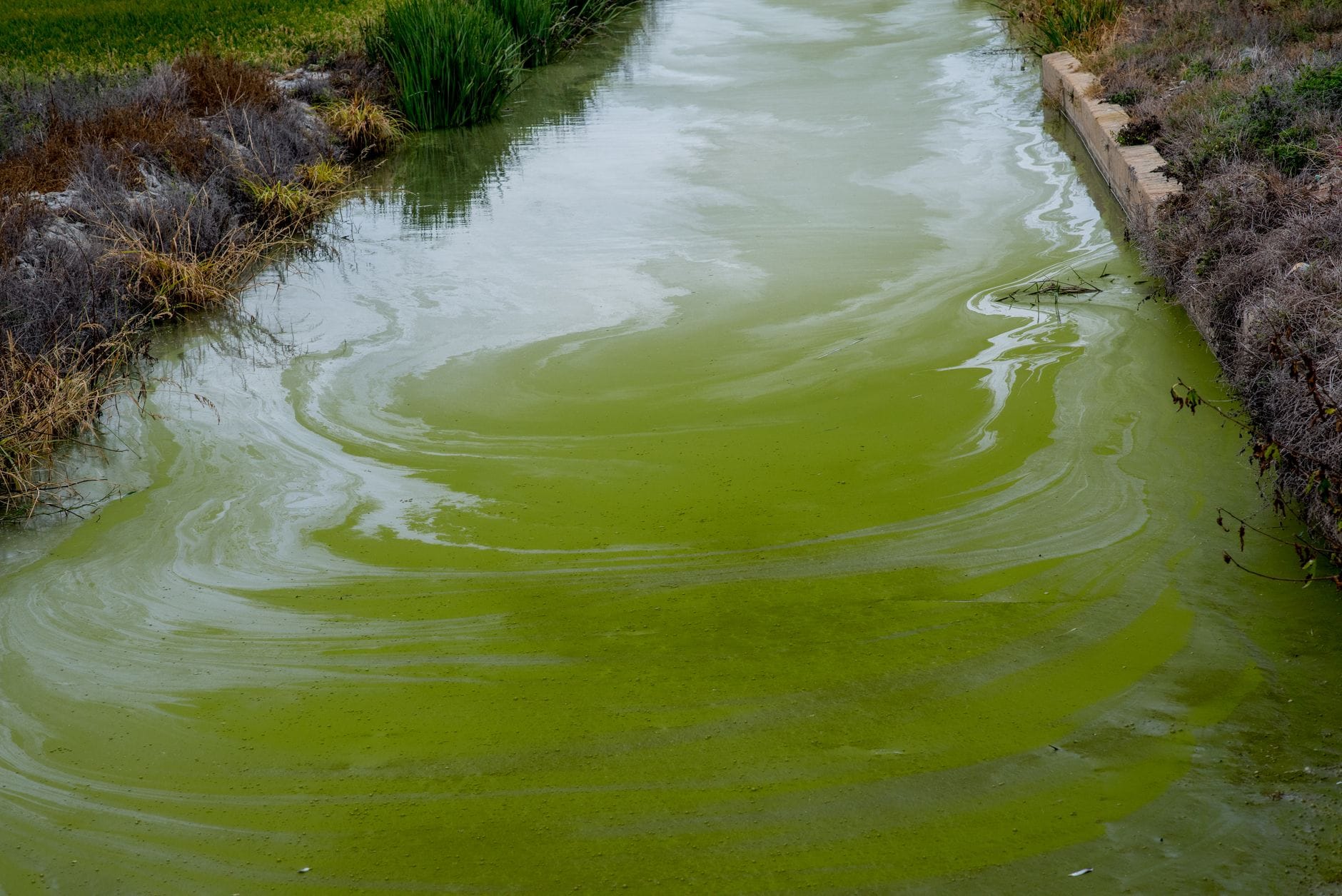
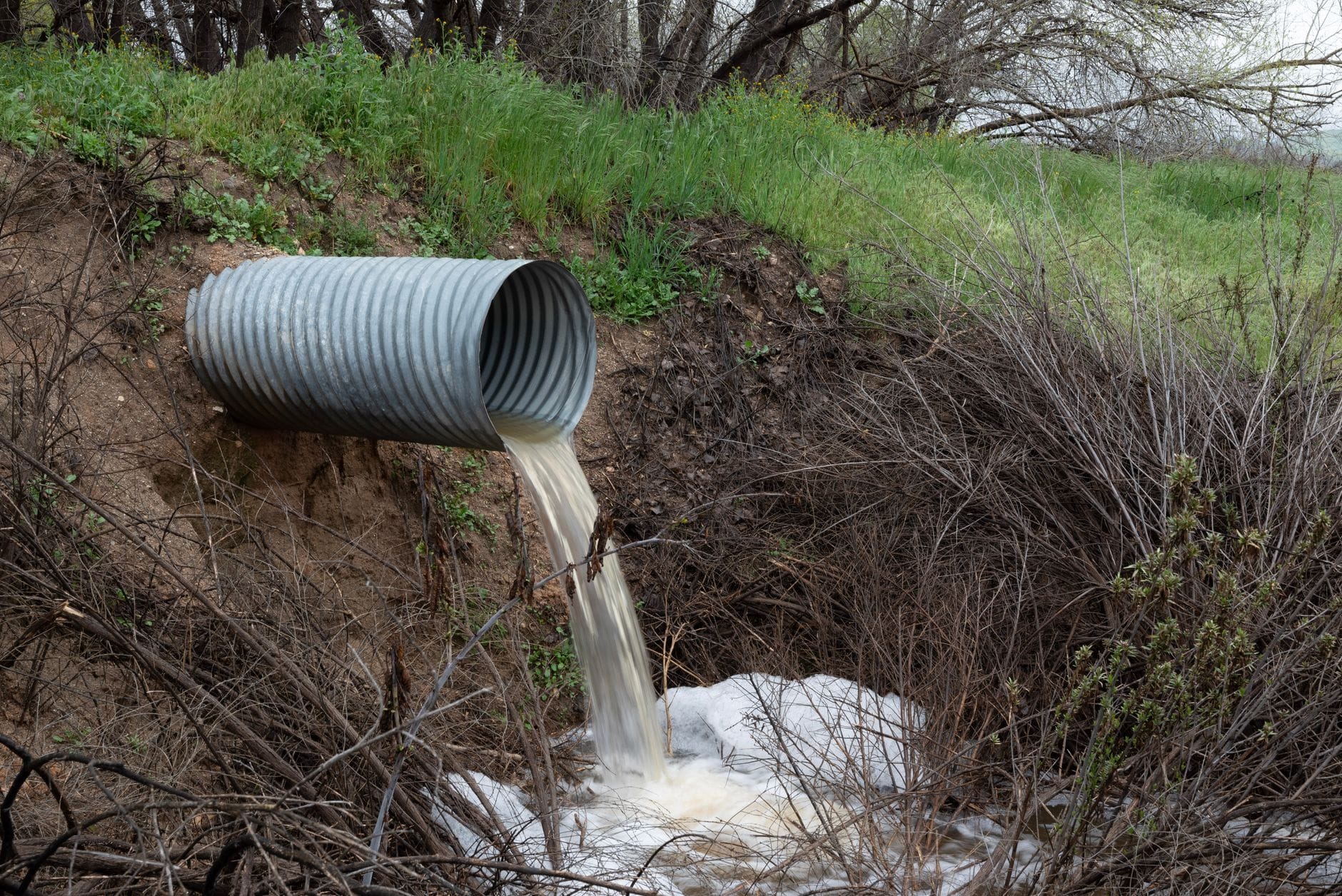
A serious fish kill on the River Glyde in Ireland has left more than 20,000 fish dead along roughly 25 kilometres of water. Inland Fisheries Ireland (IFI) says the cause was an agricultural discharge that has been stopped. Water samples are with a laboratory and a file is being prepared for potential prosecution. Early reports from Louth County Council indicate river oxygen levels are returning to normal, and there is no reported impact on coastal waters or public water supply.
What happened on the Glyde
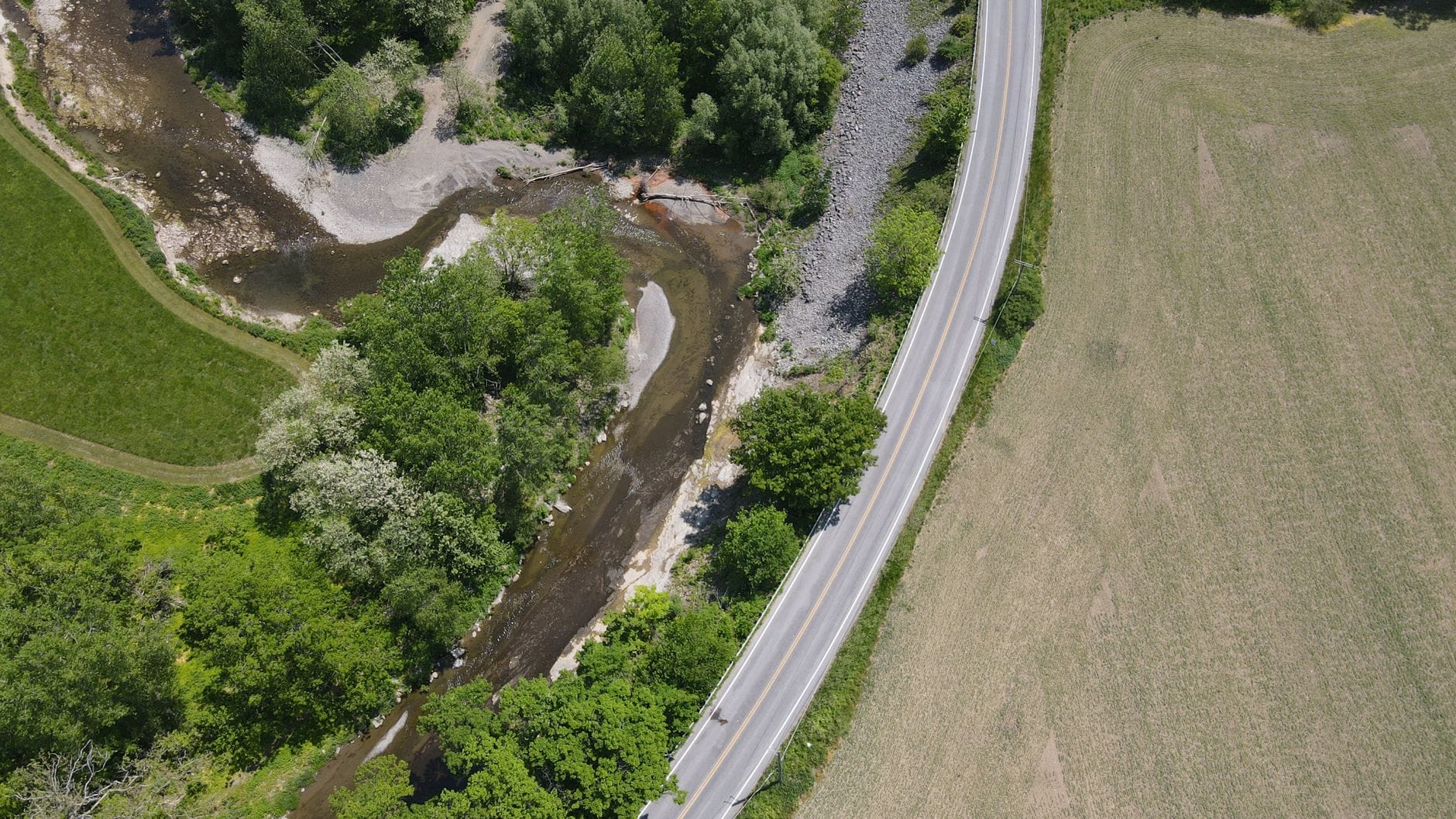
The kill stretched for around 25 km, from the upper reaches near Aclint Bridge to around Lynns Weir near Castlebellingham. Species affected include Atlantic salmon, eel, brown trout, pike, minnow and other coarse fish. The river discharges into Dundalk Bay at Annagassan, and no coastal impacts have been reported to date. IFI has carried out sampling and cleanup, and is continuing its investigation.
Why this matters to UK fly anglers
This incident sits just across the Irish Sea, but the lesson is close to home. Agricultural pollution can devastate salmonid rivers in hours, affecting the very fish UK anglers prize. Eel and Atlantic salmon are conservation priorities, so losses of this scale carry outsized ecological and fishery implications. The enforcement approach in Ireland is broadly similar to the UK, where national agencies investigate and can prosecute polluters. Anglers are often the first to see trouble, which makes prompt reporting critical.
When rivers are most at risk
Timing and conditions can magnify the damage from a pollution event. Low flows and warm water often worsen oxygen depletion, which leads to rapid, widespread mortality. Staying alert during these vulnerable periods helps catch problems early, especially on smaller rivers and headwaters where effects can race downstream.
How to respond if you see trouble
If you suspect pollution, report it immediately to your national environment agency. In the UK these are:
- England: Environment Agency
- Wales: Natural Resources Wales
- Scotland: Scottish Environment Protection Agency (SEPA)
- Northern Ireland: Northern Ireland Environment Agency (NIEA)
Give a clear location and describe what you see. Rapid reporting can help agencies contain a source and limit damage, as appears to have happened on the Glyde.
What recovery looks like and what is next
Local authorities say oxygen levels on the Glyde are returning to normal, and there is no reported effect on bathing waters or public abstraction. That is encouraging, but an investigation is still under way and details such as the exact substance, volumes and the age classes most affected have not yet been made public. Enforcement outcomes and any required remediation will follow the investigation.
For anglers, the takeaway is simple. A single discharge can undo years of natural recovery and habitat work. Vigilance, especially in warm, low water, and swift reporting remain the most effective tools we have to protect our rivers.
Find out more
- IFI statement – Ongoing operations re fish kill on the River Glyde, Co Louth | Inland Fisheries Ireland — Inland Fisheries Ireland’s official statement on the River Glyde fish kill — the primary source for IFI’s estimate of >20,000 fish, the affected stretch and species, plus details on sampling, cleanup and the ongoing investigation.
- Report an environmental problem - GOV.UK — GOV.UK ‘Report an environmental problem’ — the UK government page with guidance on what counts as a pollution incident and the Environment Agency’s 24‑hour incident hotline and reporting routes in England.
- How to report pollution incidents in a river | The Rivers Trust — The Rivers Trust guidance on reporting river pollution — practical, step‑by‑step advice for when to call regulators, what information to give and contact numbers/online reporting routes for the UK nations.
- How to comply with the Farming Rules for Water - GOV.UK — GOV.UK ‘How to comply with the Farming Rules for Water’ — official guidance for farmers on measures (slurry, manure and fertiliser management, storage and spreading) that reduce the risk of agricultural discharges to rivers.
Image: Photo: Joseph Russo / Pexels