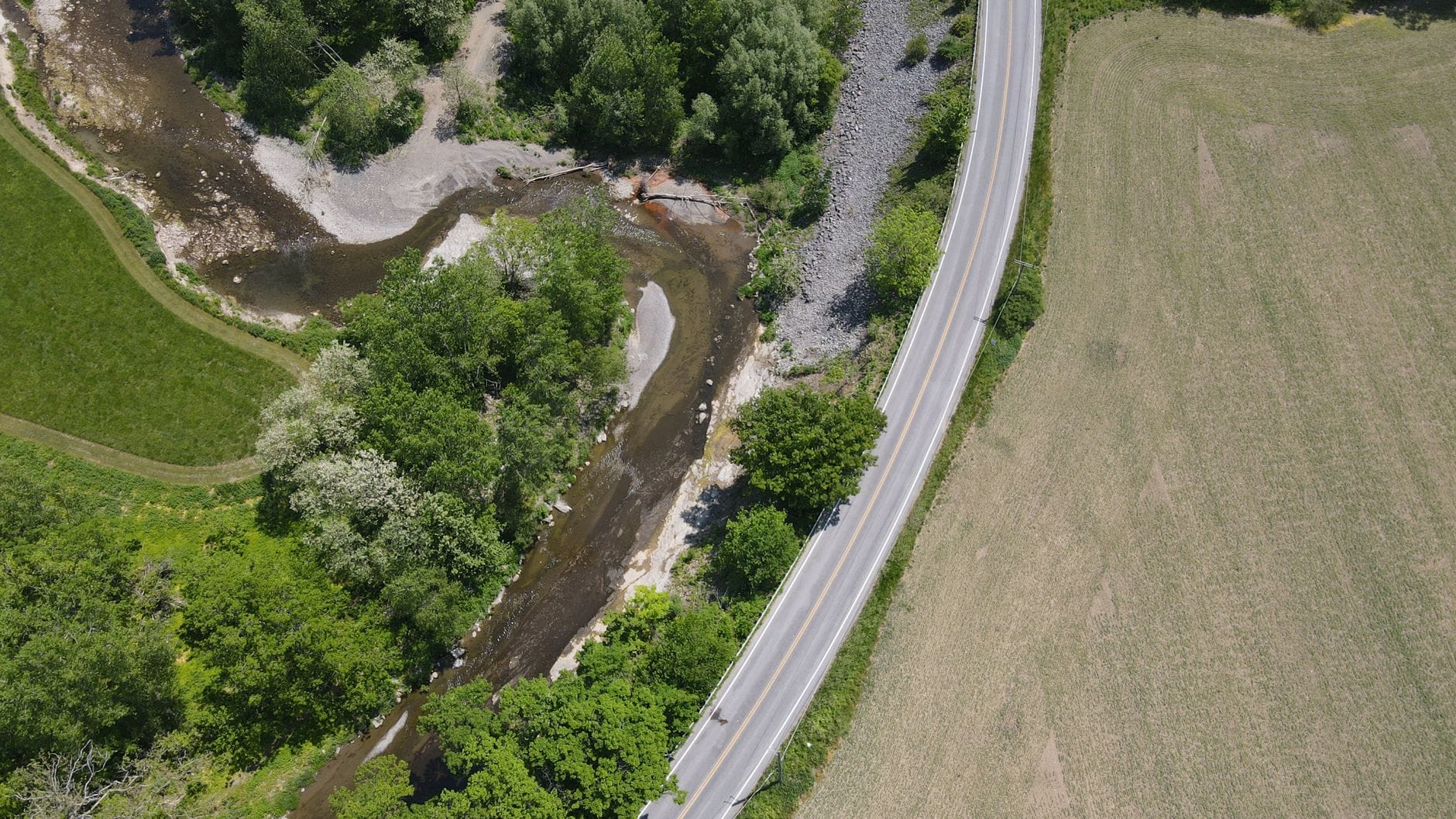
A new Cornwall Council partnership is tackling nutrient and silt pollution from the Fal headwaters to Carrick Roads, protecting seagrass, maerl and oysters. Here is what it could mean for anglers, and how to help.
Why this matters now
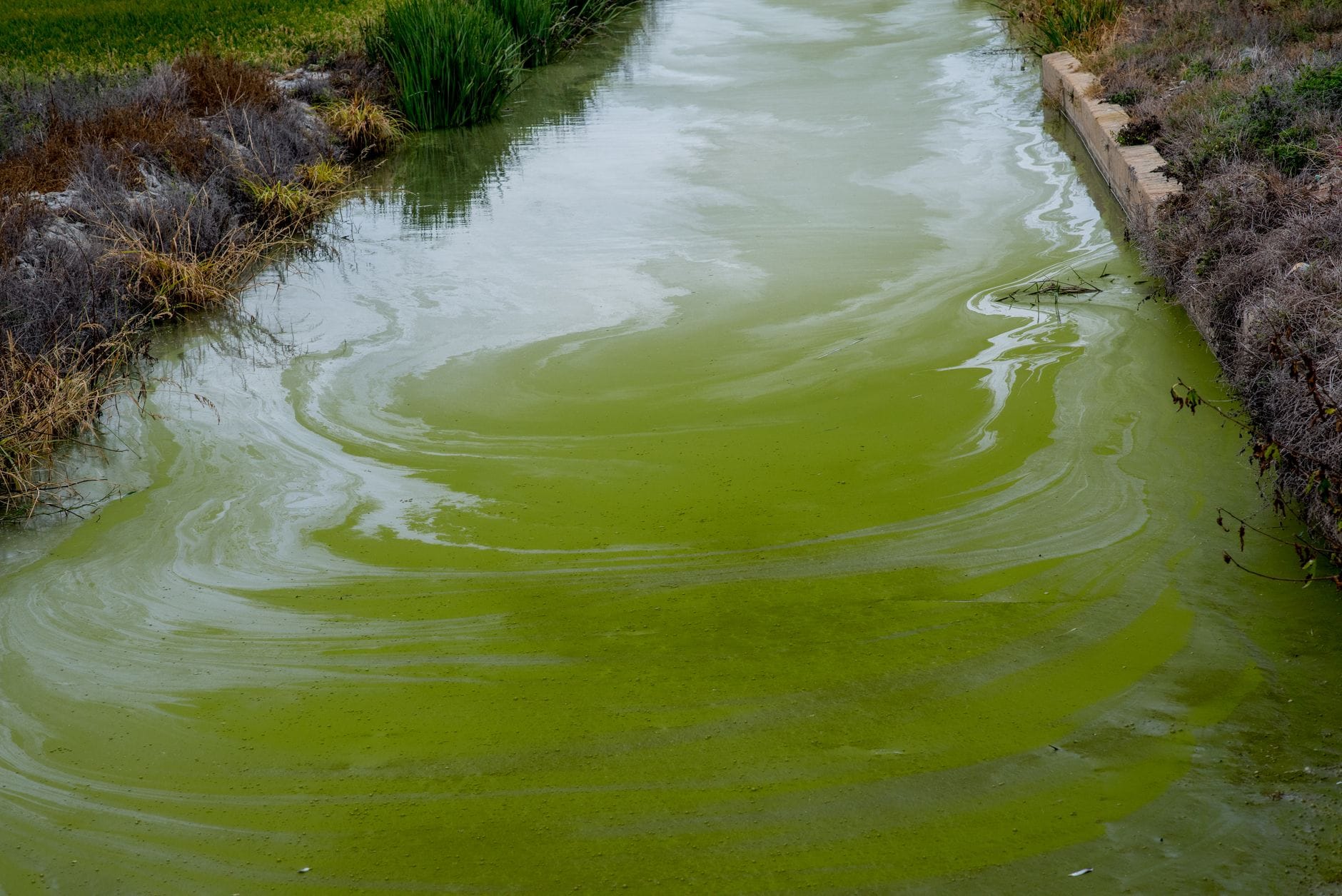
Across the UK, nutrients and fine sediments from agriculture and sewage damage rivers and estuaries. The Lower River Fal has not reached good ecological status, with Defra’s 2022 data citing rural agricultural pollution and water industry waste. In the Fal’s estuary, citizen surveys report algal overgrowth on slow‑growing seagrass and ancient maerl beds, which is consistent with nutrient‑driven blooms. A planned seagrass restoration at Ardevora is paused until water quality improves. Local oyster fishers also report more silt, which interferes with larval settlement on clean shell substrate.
For anglers, this is not abstract. Less nutrient loading and less fine sediment usually mean more invertebrates, clearer runs and better salmonid spawning gravels. Healthier estuarine habitats also support nearshore nursery areas, which links directly to the fortunes of sea trout and salmon leaving or returning to the system.
What is happening in the Fal
Cornwall Council’s Fal Rivers to Reef initiative brings a source to sea focus to the whole catchment, from the headwaters to Falmouth’s Carrick Roads. The project is farmer‑led in practice. Forty‑eight farmers and landowners are working in a cluster on practical measures that reduce runoff and trap silt before it reaches watercourses. Early actions include improving soils with herbal leys, moving gateways and tracks that funnel muddy water into ditches, and creating orchard and woodland buffers to intercept runoff and stabilise soils. Forest for Cornwall’s wider aim to expand tree cover aligns with more riparian planting in key places.
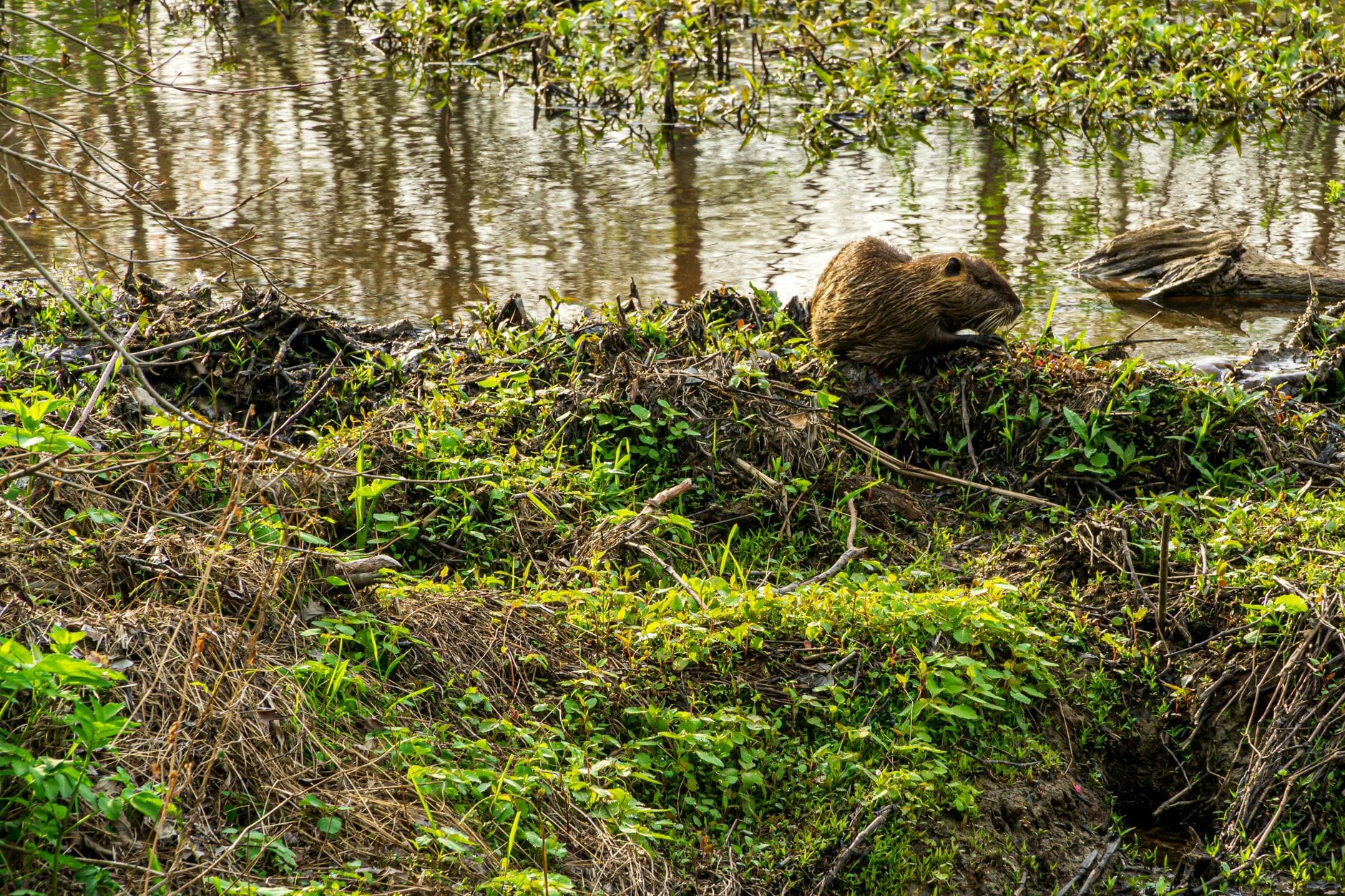
Nature‑based options are being explored. A beaver enclosure on one farm is reported by the landowner to trap silt and reduce flood peaks on that site. Any wider rollout would need licensing and active management, so the project is positioning this as a potential tool rather than a blanket fix. Cornwall Wildlife Trust, Forest for Cornwall and citizen scientists are involved in aspects of the work, with the council’s nature recovery team focused on farmer engagement.
What this could mean for trout, salmon and grayling
If the initiative reduces nutrient inputs and fine sediment, anglers could see practical benefits:
- Clearer water and more stable flows that suit sight fishing and fly presentation.
- Improved invertebrate life that supports consistent hatches and better growth.
- Cleaner gravel that helps salmon and trout eggs survive, with less smothering by silt.
- Healthier estuarine habitats, which support sea trout and salmon during smolt migration and return.
These gains depend on sustained delivery across the catchment, including farm practice changes and action on sewage discharges.
How anglers can help, in Cornwall or at home
Anglers have leverage in catchments. The Fal Rivers to Reef approach highlights steps you can back locally:
- Support farmer‑led fixes. Advocate for simple, proven measures such as moving muddy gateways, improving tracks and adding buffer planting alongside watercourses.
- Join or partner with local Rivers Trusts and council‑led groups. Offer on‑the‑ground help where it speeds up delivery.
- Take part in citizen science. Record algal growth, seagrass or maerl condition and water clarity to build the evidence base for action.
- Press for accountability on sewage overflows. Improvements on farmland and in the water industry need to proceed together to reach good ecological status.
- Engage constructively with nature‑based trials. Support careful siting, licensing and monitoring of options like beaver wetlands where they are proposed.
Beavers: promise and proof
On one Fal farm, a beaver enclosure is reported to be trapping silt and moderating flood peaks. This points to a possible role for engineered wetlands in reducing downstream sediment and smoothing flows. However, broader benefits across the catchment are not yet evidenced. Any expansion would require licensing, site‑specific design and management to balance farm operations and fish passage. Anglers should welcome robust, independent monitoring so decisions rest on measured outcomes.
What to watch next
Key questions remain. Publicly reported, quantified water‑quality or biological improvements have not yet been set out. How the project will tackle water company discharges, beyond the farm‑focused work, is still to be clarified. The proposed Falmouth Docks development is noted as a potential environmental risk that has not been resolved in this context. Timelines to reach good ecological status have not been published here.
Even with those uncertainties, the direction is clear. A farmer‑led, source to sea partnership that cuts nutrients and silt and restores buffers is exactly the kind of joined‑up approach anglers can support. Cleaner rivers feed healthier estuaries, and better fishing follows sustained, catchment‑wide delivery.
Find out more
- Fal Rivers to Reef | Cornwall Council — Official Fal Rivers to Reef project page from Cornwall Council — overview of the source‑to‑sea programme, its aims, scale and how landowners are being engaged.
- Seagrass meadows ready to take root as Cornwall Wildlife ... — Cornwall Wildlife Trust update on seagrass planting trials in the River Fal — useful background on the Ardevora restoration work and the current status of seagrass efforts.
- Beaver reintroduction and management in England — Government guidance on beaver reintroduction and licensing in England — explains the A03 licence for releasing beavers into secure enclosures and the regulatory requirements.
- Environment Agency publishes storm overflow spill data for 2023 - GOV.UK — GOV.UK news on the Environment Agency's 2023 storm overflow spill data — sets out the monitored spill dataset, the new interactive portal and recent regulatory actions on sewage discharges.
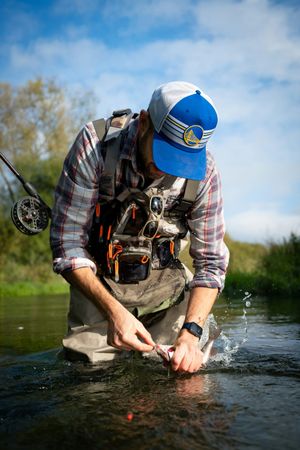
Image: Photo: Bill F / Pexels