England’s latest water quality assessment shows few rivers and lakes in good ecological health, universal chemical failures and rising low‑flow pressures. We explain what this means for hatches, fish welfare and your fishing plans.
Why this matters now
Only around 15% of England’s rivers and fewer than 7% of its lakes are in good ecological condition in the Environment Agency’s latest six‑year assessment. No English waterbody passed chemical status. Phosphate, largely from sewage and agricultural runoff, is the biggest single pressure, with roughly half of rivers above safe levels. Low flows and drought are concentrating pollutants, increasing risks to fish and invertebrates now and under expected hotter, drier summers.
These results matter because nutrient and chemical loads depress invertebrate hatches, trigger algal blooms and reduce dissolved oxygen. That means fewer rising fish, more lethargy in warm conditions and a higher chance of fish kills, especially in summer. Conditions vary by catchment, but the national picture points to tougher fishing on many English rivers and stillwaters.
The government is set to miss its 2027 target for 77% of waters to reach good ecological status. The Office for Environmental Protection is investigating possible rule breaches by government and the regulator. Water companies have earmarked £22bn for environmental improvements by 2030, and the EA says it is increasing enforcement. There are 23 enforcement notices requiring companies to lower PFAS levels, although many PFAS and some antibiotics are not routinely monitored.
The EA says classification methods have changed since 2019, so trends should be read with care. The sharp fall in lakes rated good largely reflects those assessment changes rather than a confirmed ecological crash. Results apply to England only, as Scotland, Wales and Northern Ireland report separately.
How this shows up on the water
- Patchy or weaker hatches, with fish feeding windows narrowing, particularly in warm low flows.
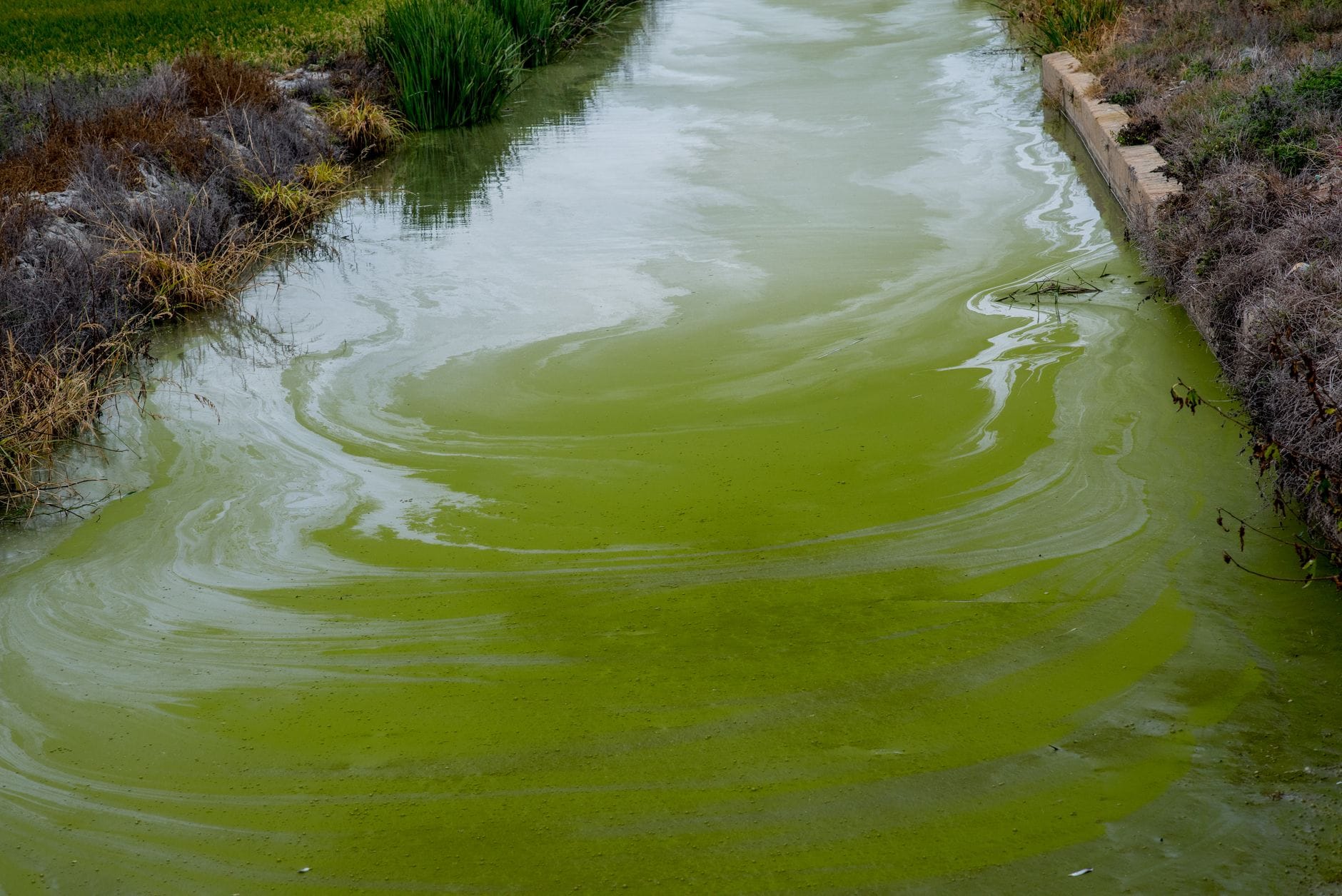
- Algal blooms on stillwaters and slow river reaches, cutting visibility and oxygen.
- Stressed trout, salmon and grayling where warm, low‑oxygen conditions persist, with a higher risk of fish kills after pollution spikes or thunderstorms.
- Local disruption as investigations, enforcement or infrastructure works affect access, stocking schedules or short‑term releases.
Expect sharp differences between catchments. Club notices and EA advisories on incidents, blooms or temporary restrictions will be the best guide to near‑term conditions where you fish.
Tactics to protect fish and improve your odds
- Fish early or late in warm spells, and avoid the hottest, lowest‑oxygen periods.
- Keep playing and handling time to a minimum, and skip fishing altogether if fish look obviously stressed or lethargic.
- Treat algal blooms as a warning sign. If you see scums or deoxygenation, consider moving, changing venue or postponing.
- Before travelling, check club, fishery and EA updates for pollution incidents, flow changes or access restrictions.
These adjustments will not fix water quality, but they reduce stress on fish and can salvage sport when conditions are marginal.
What could change next
Planned investment by water companies runs to 2030, and the EA signals tougher enforcement. However, catchment‑by‑catchment timelines and outcomes are not yet clear, and many persistent chemicals, including some PFAS, keep accumulating in the environment. Low flows are a multiplying factor that anglers should expect to see more often in summer.
For now, focus on local information, choose your windows carefully and be ready to step back when heat and low oxygen make fishing a welfare risk. The headline results are sobering, but paying attention to flows, temperatures and advisories will help you make the most of the opportunities that remain.
Find out more
- New data to drive action to improve England's rivers and lakes — Official Environment Agency summary of the latest six‑year waterbody assessment: headline stats (eg 14.3% in good ecological status), what was measured and how the EA plans to use the data to target investment and enforcement.
- PFAS Plan: building a safer future together - GOV.UK — The UK Government’s PFAS Plan: official actions, monitoring commitments and next steps for reducing ‘forever chemical’ emissions and improving PFAS surveillance in freshwater.
- UKBI - Surface water status | Advisor to Government on Nature Conservation | JNCC — JNCC’s UK Biodiversity Indicator page on surface water status: UK‑level breakdown (by country and waterbody type) and tables showing how England’s results compare with the rest of the UK.
- Water quality in rivers - Environmental Audit Committee — House of Commons Environmental Audit Committee analysis of water quality in rivers, with detailed discussion of phosphate as the leading pressure and the dataset of Reasons for Not Achieving Good Status.
- Environment Agency Report Shows 60% Increase in Serious Pollution Incidents - Angling Trust — Angling Trust response and briefing on the rise in serious pollution incidents: an angling‑sector perspective, campaigning updates and practical information for anglers about pollution impacts.
Image: Photo: Victor Moragriega / Pexels