Colorado tyer and author Al Ritt champions travelling light by thinking in parent patterns and variants. Here is what UK anglers can use right now, plus practical tying priorities and material notes.
A smarter way to pack a fly box
Rather than chasing every new recipe, Colorado-based tyer Al Ritt argues for a compact kit built around influential “parent” patterns and their offshoots. His out-of-print book, 25 Best Most Versatile Flies, groups 87 flies into 25 families to help anglers think in systems instead of one-offs. The idea lands well in the UK, where several of these parents were born and still catch fish across chalkstreams, freestones and stillwaters.
Tie better, not just more
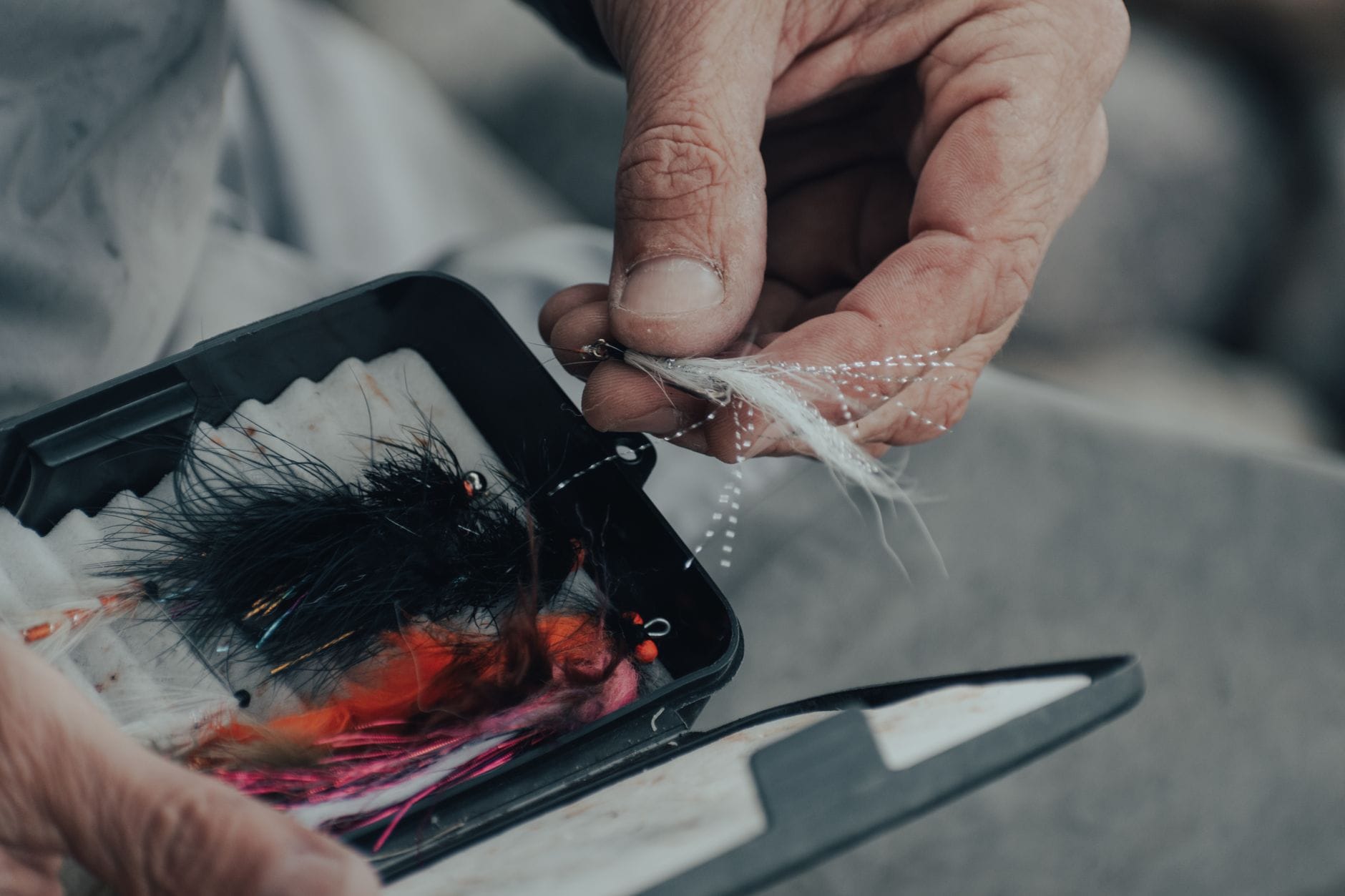
Ritt’s advice is to prioritise technique before complexity. Consistent practice, even a single fly each evening, builds thread control and tidy finishes that make any pattern more durable and effective. Straightforward staples like a Zebra Midge or Woolly Bugger are sensible practice grounds before you add intricacy. He also notes that a reliable, well-made vise is a sound long-term investment.
Families, not one-offs: five to anchor a lean kit
Think in roles and water types, then fill gaps with variants rather than entirely new flies.
- Pheasant Tail family: Frank Sawyer’s nymph of pheasant tail and copper wire is a UK pillar that remains a universal mayfly nymph template. Modern versions add thorax details and wing cases, but the essential silhouette and sparse build do the work.
- Hare’s Ear family: The Gold-Ribbed Hare’s Ear likely originated in the UK and adapts readily from river to stillwater. Ritt suggests some early uses may even have been as a dry, underlining how elastic the template is. Parachute-style evolutions extend its reach into surface and emerger duties.
- Adams family: Originating in the American Midwest, the Adams became a benchmark generalist dry. The Parachute Adams, in particular, travels well and remains easy to see while imitating a wide range of mayflies.
- Royal Wulff lineage: Emerging from the Royal Coachman tradition, Lee Wulff’s deer-hair variant offers buoyancy and visibility. It has been widely popularised in the American West yet works wherever rough water and pocketwater demand a high-floating attractor.
- Clouser Minnow family: A sparse, jigging baitfish that has crossed from warmwater to trout and even salt. For UK use, substitute non-toxic eyes or weighting to comply with regulations and fishery rules.
Make light work for you
Ritt emphasises that how a fly handles light often matters as much as colour. For nymphs and midges, aim for a degree of translucency so bodies do not look opaque and lifeless. Keep materials slim, layer sparingly and check flies against a light source at the bench. On dries and emergers, choose post and wing treatments that balance visibility with flotation rather than adding bulk.
Where this helps UK anglers
- Several anchor families, notably the Hare’s Ear, Sawyer’s Pheasant Tail and soft-hackle traditions, have deep UK roots and remain staples in US boxes. That cross-Atlantic overlap is a strong signal to keep them front and centre at home.
- Adams and Wulff variants are dependable if you travel, and the Clouser covers a broad baitfish niche across fresh and salt.
- Planning a trip to the US Rockies or similar freestones? Stock these families in local sizes and tones to shorten the learning curve.
Materials and compliance
If a historical recipe specifies lead or other restricted materials, use non-toxic equivalents to meet UK and EU rules and any fishery-specific policies.
Finding the book
Ritt’s 25 Best Most Versatile Flies has been difficult to source since the publisher folded. He has indicated he can sometimes supply copies directly via email at al@alrittflies.com, but availability for UK readers is uncertain.
Where Ritt shares this approach
Ritt often demonstrates and teaches at tying-focused events, including the East Idaho Fly Tying Expo, reflecting his emphasis on hands-on technique.
Find out more
- Al Ritt Flies: Home — Official Al Ritt site — includes info on his flies, books, classes and contact details (the page referenced in the article as the primary source for his book and events).
- Interview: Al Ritt - "25 Best Most Versatile Flies" — MidCurrent interview with Al Ritt discussing 25 Best Most Versatile Flies — useful background on his approach, the book's contents and tying philosophy.
- Homepage - East Idaho Fly Tying Expo — Official East Idaho Fly Tying Expo page — event details, dates, programme and exhibitor information for the tying-focused expos where Ritt often teaches.
- Press release: EU takes major step toward lead ban in fishing weights - BirdLife International — BirdLife International press release on the EU move toward restricting lead in fishing tackle — background on regulatory moves that affect choices of weights and materials.
Image: Photo: Gaspar Zaldo / Pexels