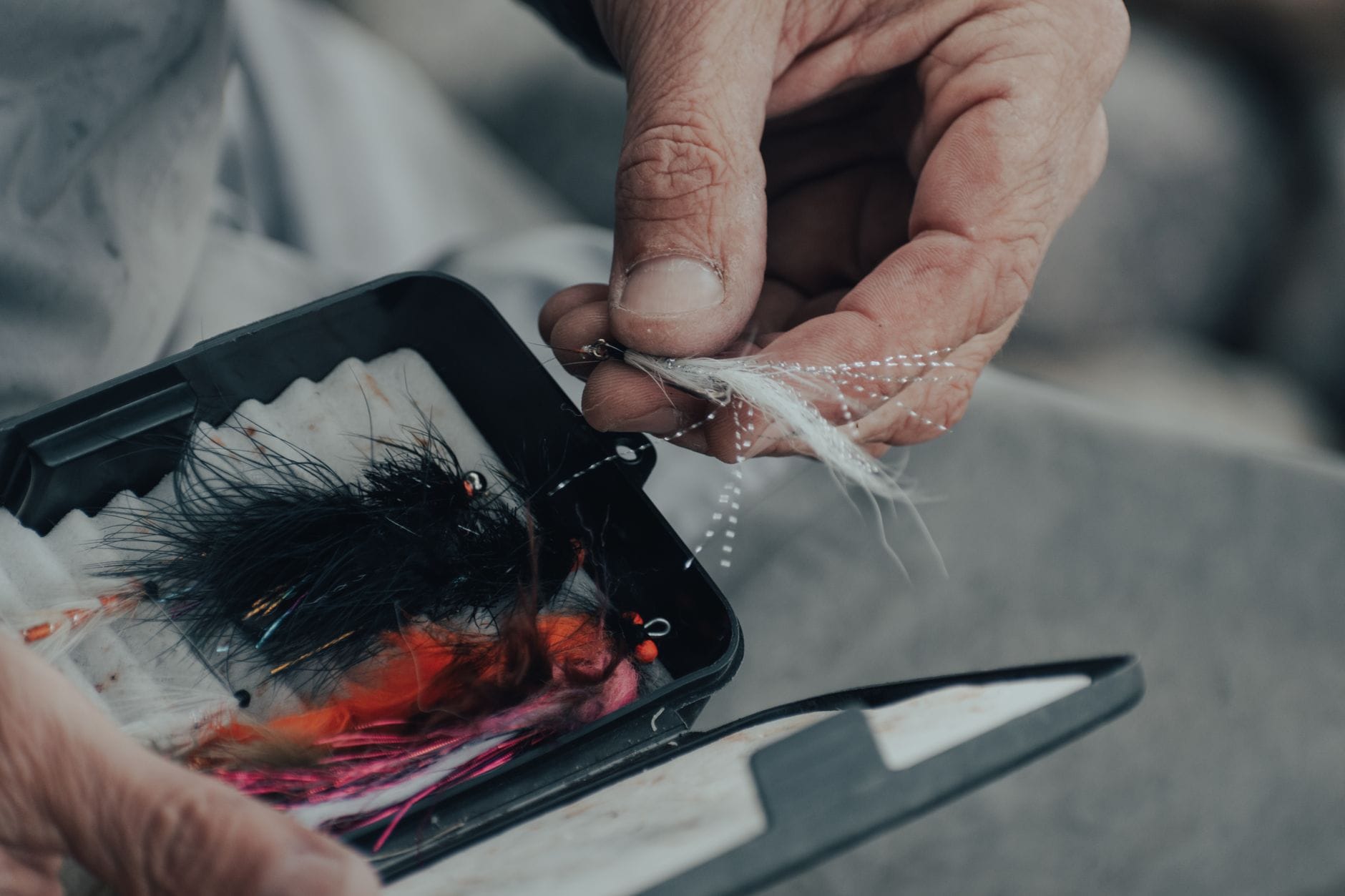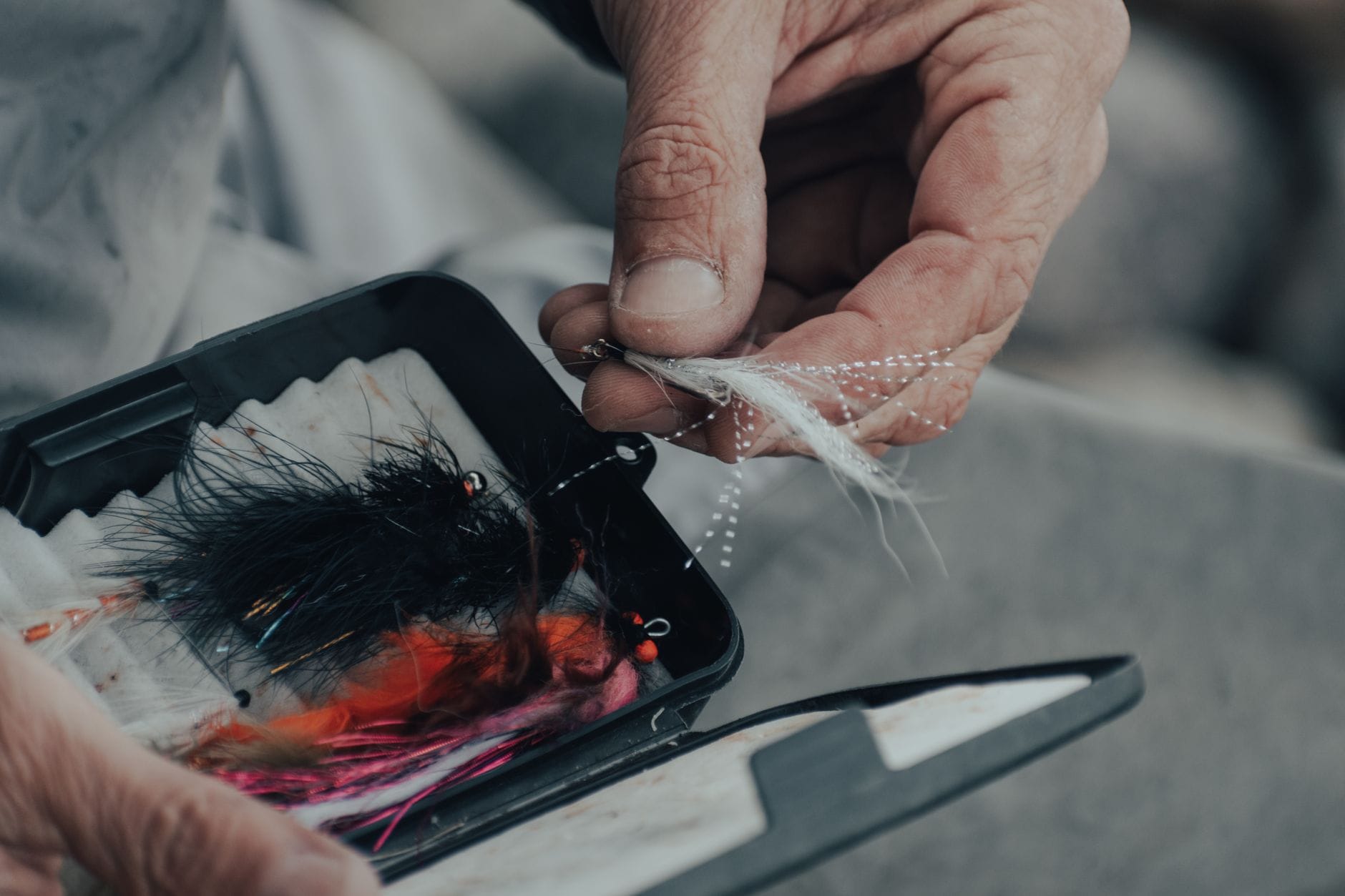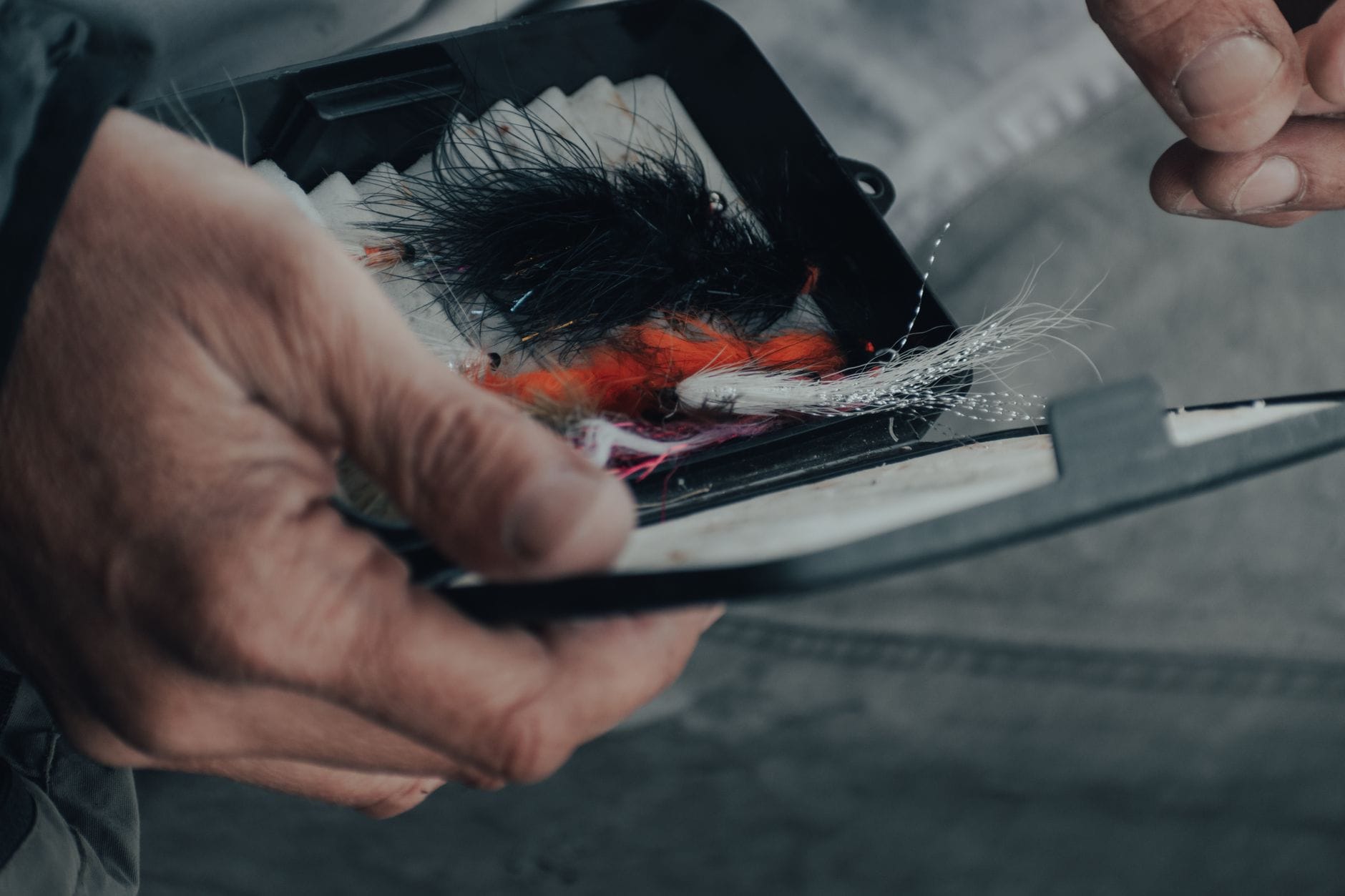
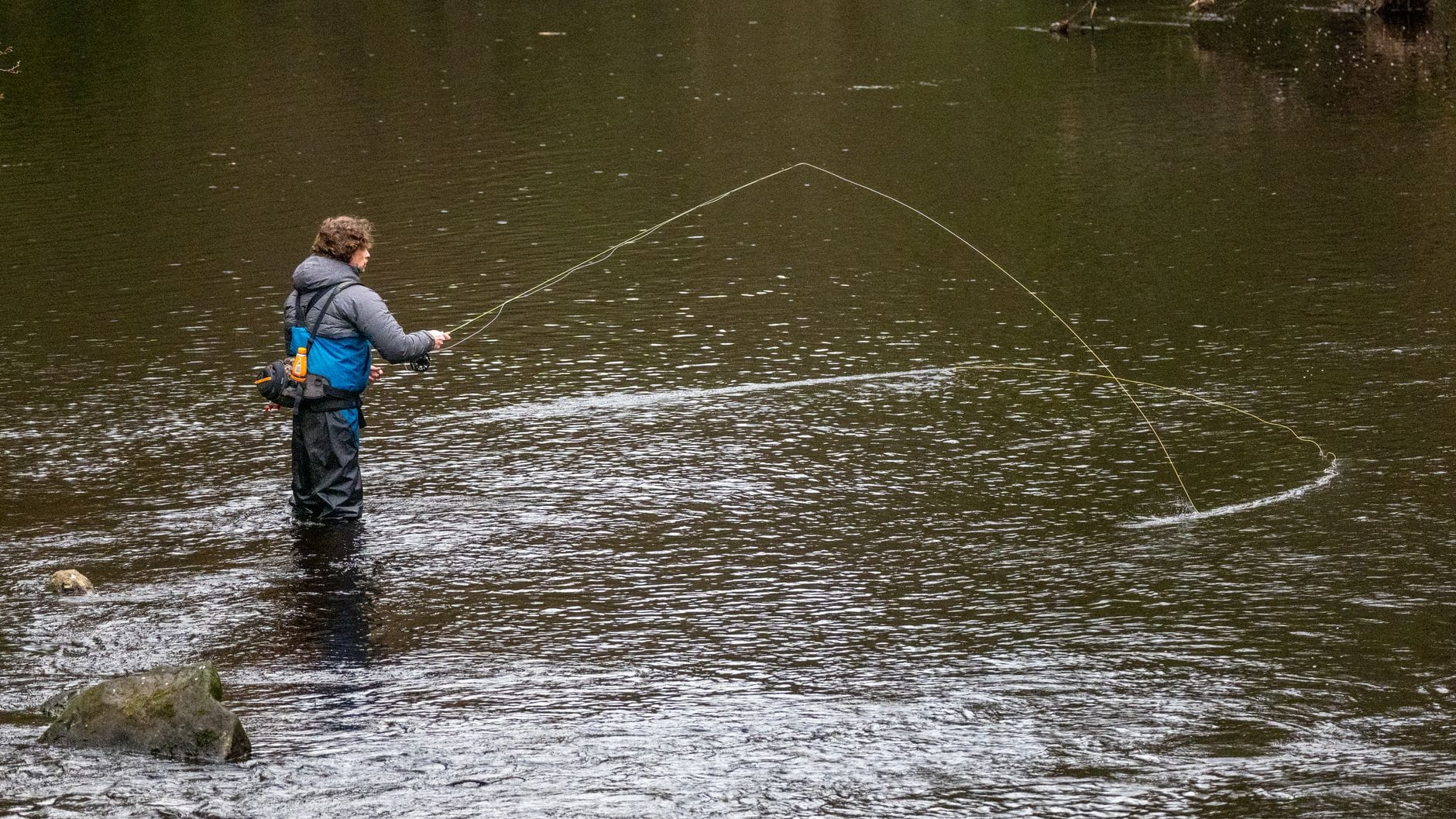
When trout roll just under the surface and ignore dry flies, traditional spiders are a simple, effective answer. Keep them near the top, prioritise an easy, unforced path, and they will pick off fish on rivers and stillwaters.
The tell-tale riseform
Some days you see broad boils and lazy rolls rather than crisp head-and-tail rises. Dry flies skate past unmolested. That usually signals fish taking ascending insects just under the skin of the water. This is prime time for traditional spider wet flies.
Why a spider fits the moment
Spiders are sparse soft-hackle dressings that hint at an emerging or drowned insect. They persuade with suggestion and the way the hackle breathes in the current, not with precise imitation. During hatches, that lifelike quality often unlocks fish feeding just below the surface.
Keep them close to the top
The method shines only if the fly travels very near the surface. Think just under it, not down in the flow. Shape your presentation so the fly starts high and stays there for most of the drift.
- Read the rises: broad boils and shoulders under the skin point to subsurface feeders.
- Angle matters: casting upstream or slightly across helps the fly glide without being dragged down.
- Finish smartly: as the line begins to tighten, ease the rod up a touch so the fly climbs. That upward cue can trigger confident takes.
River presentations that hold the line
On moving water, simplicity pays.
- Single or small team: fish one spider or a short team on droppers to cover slightly different layers near the top.
- Let it travel: allow the fly to move on a relaxed, unforced path. Add only the slightest animation if needed.
- Manage distance: shorter drifts give better control near the surface than long, tensioned swings.
Stillwaters when buzzers are coming off
On reservoirs and lakes, midge hatches often draw trout to patrol just under the surface. A spider fished high with a steady glide and the occasional gentle lift will often be taken as an easy, ascending pupa.
What to carry: four dressings that earn their spot
You do not need a big box. A compact selection covers most UK river situations:
- Snipe and Purple
- Partridge and Orange
- Waterhen Bloa
- Iron Blue Spider
These long-serving patterns are proven across the UK. Some anglers add a very small hotspot in coloured water or low light, but the key is still presentation.
Two traditions, same idea
Both Yorkshire, often called North Country, spiders and Clyde-style spiders share the sparse soft-hackle approach. Clyde dressings may sit on longer-shank hooks with a slightly different outline, yet on the water they are fished to do the same job near the surface.
Setup notes that help
- Leader and tippet: a longer, finer taper helps with delicate landings and better line control.
- Teams on droppers: spacing a couple of spiders can cover slightly different heights just under the surface.
- Change position before changing flies: shift angle or shorten the drift to keep the fly high.
A shorthand plan
See rolling rises and refusals to the dry? Switch to a spider. Cast upstream or on a shallow cross-stream angle, let it travel right under the surface, and as the line straightens, let the fly rise. Keep it simple and those quiet boils turn into takes you can hit.
Find out more
- 11 Spider flies: How to fish these amazing 'Old' Classics — A UK-focused run-through of 11 North Country spider patterns with practical notes on how to fish them — useful for matching the classic spiders named in the article and for anglers learning presentation and kit choices.
- Tying a Waterhen Bloa with Martyn White (wet fly) — A step‑by‑step video tying demo for the Waterhen Bloa, including materials and hook sizes — handy if you want to tie the exact dressing mentioned in the piece.
- Blue Dun Soft Hackle | Global FlyFisher — A detailed soft‑hackle (Blue Dun) tying and fishing page that covers materials and how to fish the pattern on the swing, dead drift or upstream — good for adapting soft‑hackles to different presentations.
- Rise up: Understanding trout rise forms | Hatch Magazine - Fly Fishing, etc. — An accessible article on reading trout rise forms and what different rises mean — helps anglers recognise the ‘broad boils and shoulders’ the guide recommends switching to spiders for.
Image: Photo: Mike Norris / Pexels