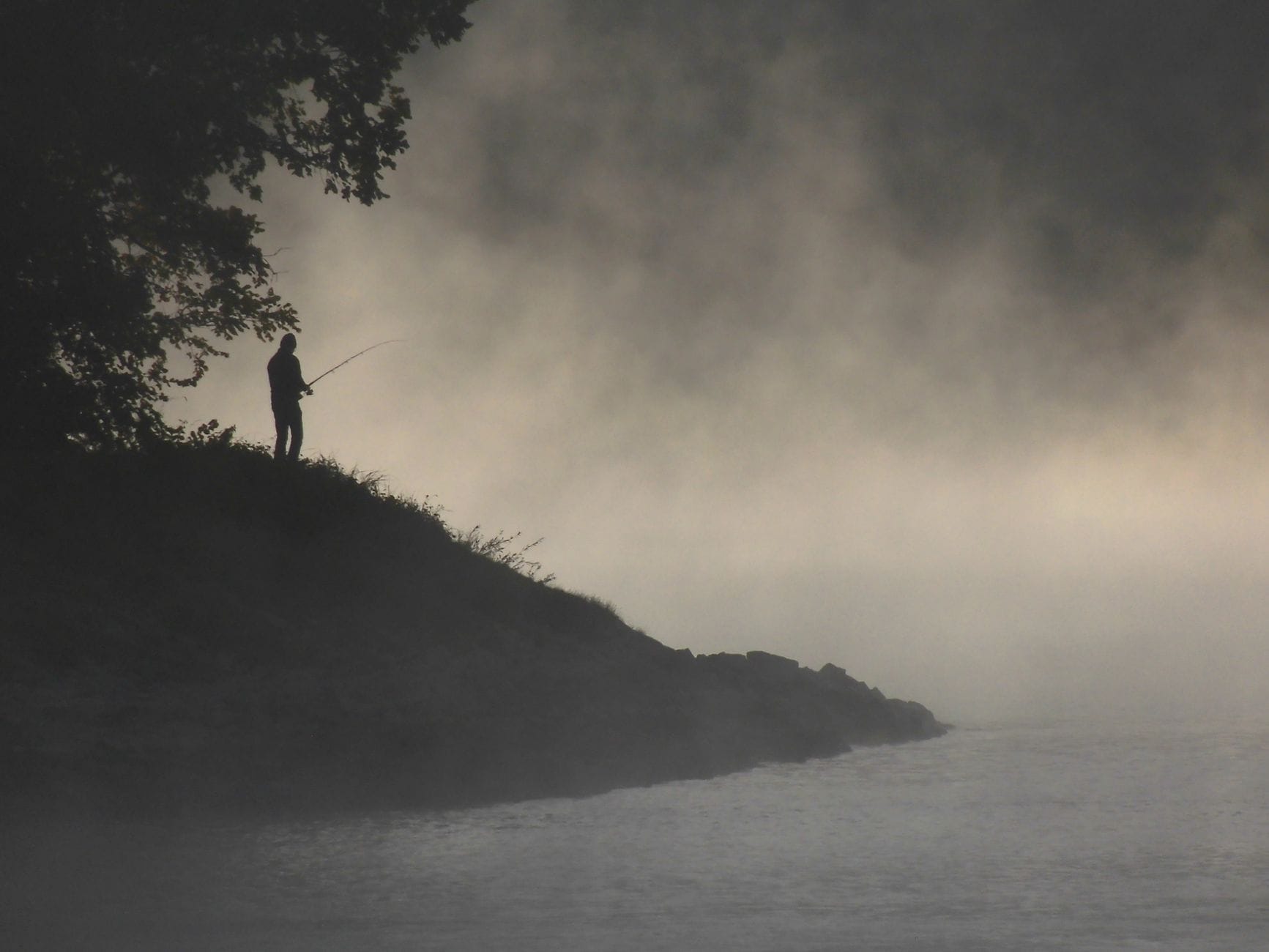
Hot spells and low, clear rivers change where trout hold and how they feed. Use water temperature to choose your water, scale presentations and decide when to stand down for fish welfare.
Why this matters now
Warm summers push many UK rivers into skinny, crystal conditions. Trout still feed, but they do it in tighter windows and in different places. Let water temperature guide your plan. A simple thermometer can tell you when to fish, where trout will hold and when to call it for their welfare.
Carry a thermometer, plan your window
Water temperature is the quickest truth check on a hot day. Trout often feed most reliably around 13 to 16°C. As temperatures climb toward 19 to 20°C, feeding tends to tail off and the risk to released fish rises. Treat that as a caution light. Fish early or late when water is coolest, then recheck through the session. If readings push up near your personal cut off, consider standing down. If in doubt, check any local guidance on warm weather fishing.
Find oxygen, find trout
In warm water, trout prefer moving, shaded and broken flows where oxygen and food converge. Search the features that breathe:
- Riffles and heads of pools, especially where surface texture is busy
- Pocket water around boulders and midstream structure
- Seams beside faster tongues, undercut banks and shaded margins
- Tails of pools where turbulence continues but depth adds cover
Cover these areas methodically. Short drifts and accurate first casts matter more than wading every yard.
Presentation beats pattern in summer
Low, clear rivers punish clumsy rigs. Scale down and smooth out your delivery before you obsess over exact flies.
- Lengthen leaders and step down tippet. Finer diameters help your flies land softly and drift cleanly. If you go very light, be ready to shorten fights and keep fish wet.
- Think small. As summer progresses, midges, small olives and terrestrials often dominate. Sizes 16 to 22, and even smaller at times, are worth rigging when fish are selective.
- Reduce false casts. Show the fish your best drift first, not your third mend.
Match the method to the water
Let the flow in front of you pick the tool:
- Tight-line or Euro nymphing: Best in fast, structured water. Use short, controlled drifts with subtle or lighter-bead nymphs to avoid snagging and to match wary fish.
- Dry fly: If heads are up, cover them quickly with discreet patterns in the size you actually see on the water. Spinner falls can be excellent, but hot spells may shift activity earlier.
- Dry‑dropper: A fast way to search seams, riffles and pockets without constant re‑rigging. Keep droppers short in skinny water and adjust weight only as needed to maintain a natural drift.
Stealth first, then everything else
Summer trout watch everything. Approach from downstream when possible, stay low, wade lightly and use the bank where you can. Long leaders, careful angles and minimal line on the water spook fewer fish and buy you extra takes.
Fish care when the water warms
If you choose to fish near the high teens:
- Hook fish promptly and land them quickly.
- Keep fish wet, unhook in the water and skip photos.
- Give them space to recover in flow, then release.
If temperatures climb toward 19 to 20°C, the responsible choice is often to stop. Protecting trout today means better sport tomorrow.
Watch
Find out more
- Fishing during hot weather: essential advice - Angling Trust — Angling Trust's practical hot‑weather guidance for anglers — how to measure water temperature and clear temperature thresholds and welfare advice (eg. consider not fishing for salmon, trout and grayling once river water exceeds ~19°C).
- Catch and Release | Wild Trout Trust — Wild Trout Trust catch‑and‑release guidance with hands‑on tips useful in warm conditions — barbless hooks, rapid landing, keeping fish wet, minimal handling and proper revival in current.
- Extreme heat: Environment Agency calls on public to help protect fish - GOV.UK — GOV.UK / Environment Agency press release on extreme heat and protecting fish, summarising top tips and urging public action during heatwaves (includes official guidance for anglers and fisheries).
- Angling in Warm Weather — Northern Ireland (DAERA) advice on angling in warm weather, with clear temperature notes (eg. >20°C described as too hot for salmon and trout and 18–20°C as a ‘take extra care’ zone).
Image: Photo: Andreas M / Pexels