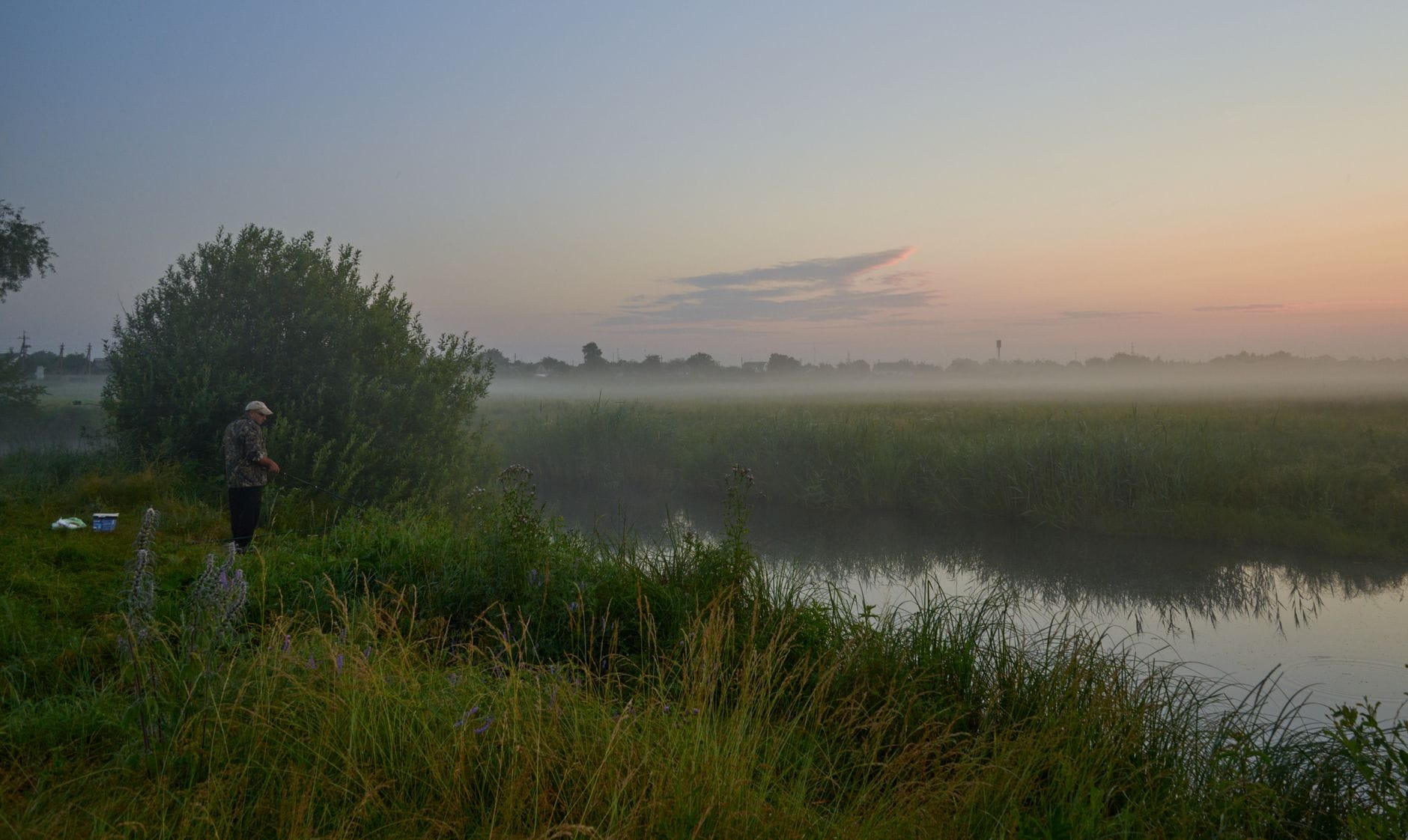
Day-ticket access is broader than many think. We map realistic options on the Test, Itchen, Frome and key tributaries, outline seasonal hatches and methods, and flag conservation issues that affect fishing choices.
Why this matters now
England’s chalk streams are clear, insect-rich and, crucially, more accessible than their private reputations suggest. With the season underway, knowing where you can book, what hatches to expect, and which conservation pressures may shape your day will help you pick the right beat and fish it well.
Booking: more open water than you think
Plenty of classic water is bookable by the day. The River Test alone lists 56 beats across 10 fisheries. The Itchen offers around a dozen beats, and the Frome about 13. Availability shifts with mayfly demand and estate calendars, so check live listings and be flexible on dates and sections.
Before you book, confirm beat-specific rules:
- Methods: some beats are dry-fly-only at times. Most allow upstream dry and sighted nymphing.
- Wading: permissions vary from strict bank fishing to selective wading.
- Seasons: many rivers extend grayling days into winter. Details are beat-specific.
- Migratory fish: lower Itchen and the Hampshire Avon hold salmon and sea trout. Targeting them is typically restricted by beat and season.
For example, on the Test, beats such as Leckford run popular mayfly days. On the upper Itchen, water like Abbots Worthy tends to be managed more for wild trout with limited day rods compared to more stocked lower sections. On the Frome, single-rod stretches such as Gaston Bridge are classic grayling water. Treat these as indicators of the variety on offer rather than an exhaustive list.
River notes: Test and Itchen
- Test: A marquee chalk stream with more day access than many assume. Expect classic upstream dry fly and nymph to sighted fish. The river is designated SSSI/SAC and is sensitive to phosphate loading, which can influence weed, algae and invertebrates, and therefore hatches and fish behaviour.
- Itchen: Also SSSI/SAC and phosphate-sensitive; discharge permits have been tightened in recent years. Upper sections are generally managed for wild trout with limited day rods, while lower sections tend to see more stocking. The river’s dry-fly heritage is strong, but modern sight-nymphing is widely practised within beat rules. Lower reaches hold migratory fish; handling and targeting are beat- and season-dependent.
River notes: Frome, Kennet and Lambourn
- Frome (Dorset): Relatively resilient to abstraction and renowned for large grayling. Consistent hatches and clear sight-fishing make it a dependable choice across seasons, with many beats offering extended winter grayling days.
- Kennet: A historically famous trout river whose upper reaches have classic chalk character. The catchment faces ongoing sewage-pollution concerns, flagged by river groups. Check local updates, especially after heavy rain.
- Lambourn (Kennet tributary): Highly productive wild-trout and grayling water with exceptional invertebrate diversity. Documented M4 runoff impacts make vigilance on water quality worthwhile. Day access exists but is selective. Stealth and precise presentation pay.
Hampshire Avon system and smaller chalk streams
The Hampshire Avon and key chalk-fed tributaries such as the Wylye and Nadder are notable trout waters, but the wider system has seen long-term declines in freshwater invertebrates. Lower reaches are mixed-fishery corridors with salmon and sea trout.
Smaller chalk streams including the Meon, Allen, Dever, Dun, Anton, Alre and Candover Brook offer intimate, technical sight-fishing on selective day access. The Meon currently holds only moderate ecological status with water industry impacts cited. Expect narrow channels, spooky fish and beat rules that vary widely. Confirm wading, method limits and any dry-fly-only periods before you commit.
Hatches and tactics by season
- Spring: Large Dark Olives kick things off. Grannom and hawthorns follow, often with short, intense surface windows on bright days. Sight-nymph between rises.
- Mayfly: Roughly mid-May to early June on most beats. Expect high demand and stricter booking windows. Fish dries to visible targets and resist blind flogging if fish are selective.
- Summer into autumn: Blue-winged olives and sedges become mainstays. Evening rises can be reliable. During the day, sighted nymphs and small dries score in low, clear water.
- Winter: On many systems, grayling extend sport. Book specific grayling days where offered and fish light nymphs to sighted fish in steady glides.
Across rivers, the standard approach is upstream dry and nymph to sighted fish. Keep leaders long, presentations clean and wading minimal unless permitted. On smaller tributaries, scale down and prioritise stealth over fly pattern.
Fish well and responsibly
These are protected, sensitive rivers. A few on-bank habits go a long way:
- Check beat notices for any flow, phosphate or sewage advisories that may affect hatches or access.
- Respect method and wading rules. They protect habitat as much as tradition.
- Handle fish quickly and in the water. Be especially careful with any accidental migratory fish encounters.
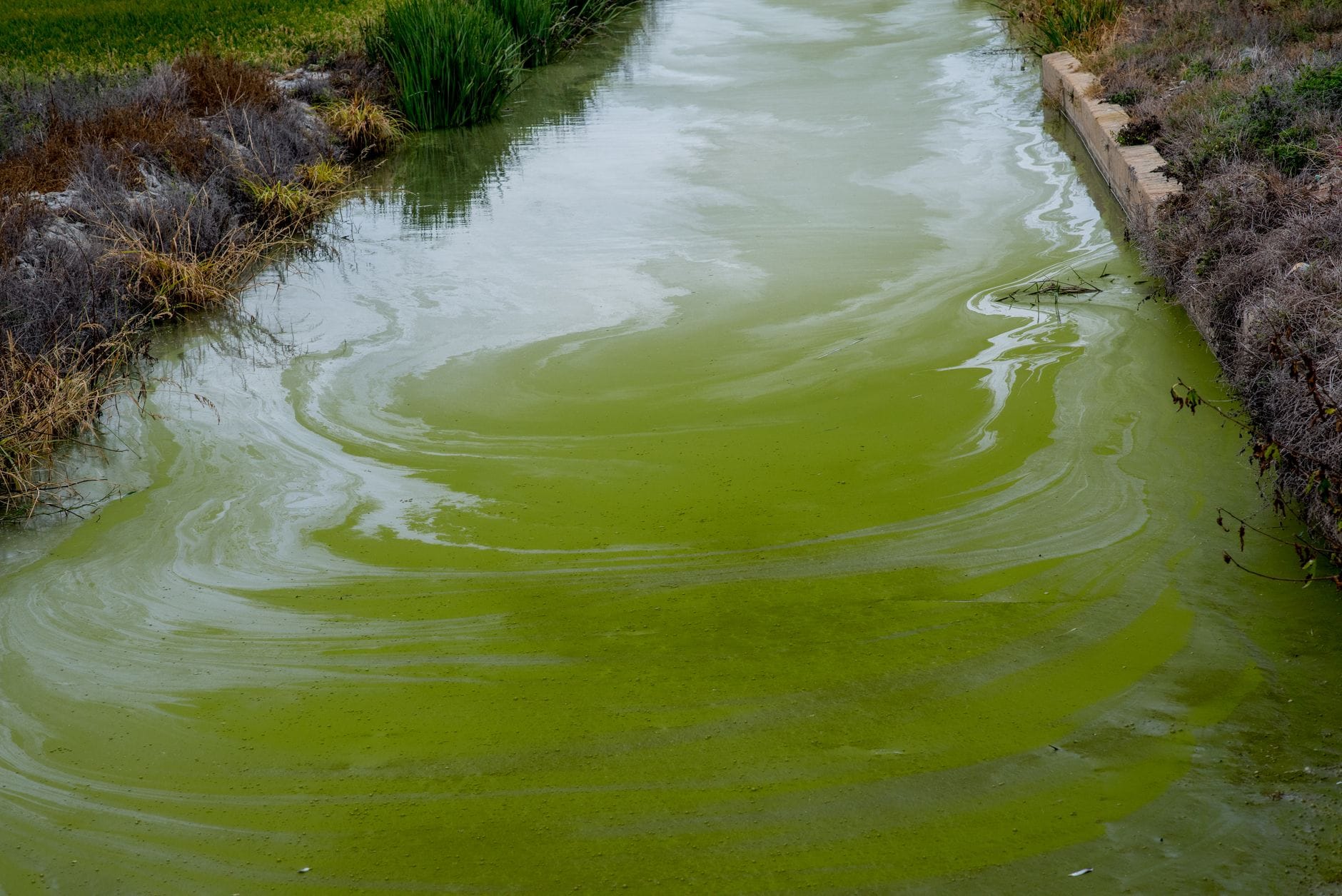
- If conditions look stressed, such as low flows or algal blooms, consider switching venue or timing. Availability across multiple rivers means you can often move to better water rather than push a fragile beat.
Plan with realism, fish with restraint, and you will find outstanding chalk-stream days are still there to be booked and enjoyed.
Find out more
- River Test Fishing — 56 Chalk Stream Beats & Day Tickets — Listings of River Test beats and day-ticket booking details — shows who runs each beat, typical prices, species and practical booking information for planning a Test day.
- Test and Itchen Management Catchment — Environment Agency catchment page for the Test & Itchen — authoritative catchment facts, geology and management information useful for checking phosphate, flow and regulatory status.
- Report an environmental problem - GOV.UK — GOV.UK guidance on how to report an environmental problem, including water pollution and sewage incidents — where to report and what information to supply.
- Become a Monitor — Riverfly Partnership ‘Become a Monitor’ hub — find local Riverfly groups, training and how anglers can join invertebrate monitoring to help protect chalk streams.
- Water Quality Monitoring Network - Rivers - Angling Trust — Angling Trust water-quality and pollution resources — updates, citizen-science monitoring work and practical advice for anglers concerned about river pollution.
Image: Photo: Matvei / Pexels