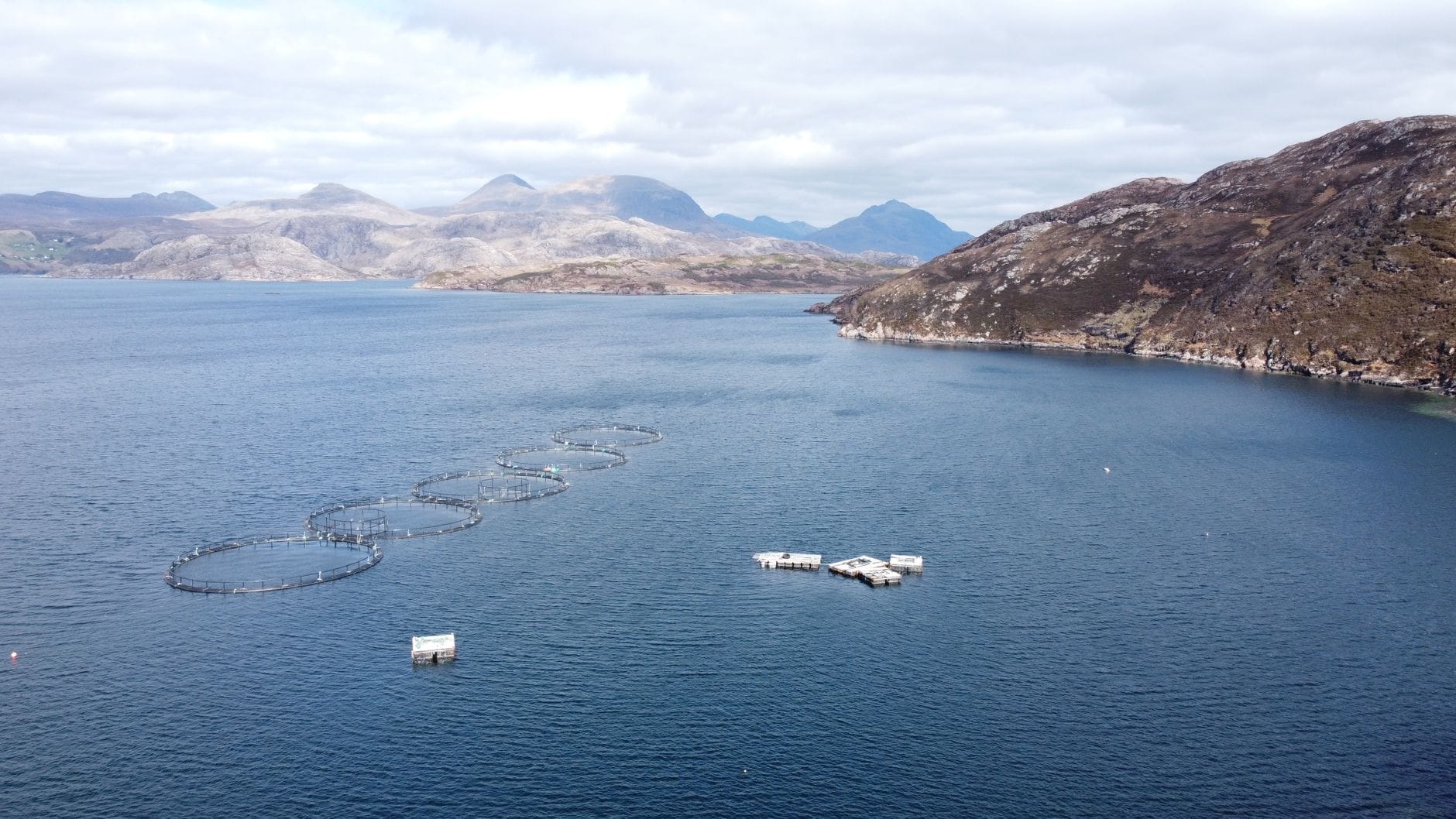
A new nationwide assessment reports traces of farmed salmon genetics in Scottish river fish, with the strongest signals in farming hotspots. Here is what that could mean for anglers and river managers in 2026.
Why this matters for anglers right now
Wild Atlantic salmon in Scotland are under intense pressure from many directions. If interbreeding with escapees is ongoing, wild stocks can lose fitness and resilience. On the bank, that can translate into tighter local conservation rules, evolving catch and release guidance, and more requests for angler help with monitoring.
What the survey indicates
- A large genetics survey of Scottish river salmon reportedly detected farmed ancestry signals in a notable share of the national network.
- The signal was strongest where aquaculture is present, approaching a sixfold increase compared with areas without farms.
- In total, the footprint was described as affecting about one fifth of rivers.
If confirmed, this pattern points to continuing genetic mixing from escapees into wild populations, a recognised conservation risk for Atlantic salmon.
Why genetic mixing is a risk
Farmed fish are bred for production traits, not river survival. When they interbreed with wild fish, offspring may be less well adapted to local conditions. For already stressed wild stocks, this can make recovery harder and may force managers to tighten protections.
On-the-bank actions for anglers
- Check rules before you travel. District Salmon Fishery Boards and individual fisheries sometimes issue guidance on reporting, and in some cases retaining, suspected escapees and submitting scale samples. Details vary by river and season.
- Follow fishery staff instructions. Where managers adjust catch and release, effort, or monitoring in response to local risks, comply with posted notices and requests.
- Expect more targeted checks near farming areas. Given the stronger signal reported in these regions, anglers may encounter additional sampling or reporting schemes on certain beats.
Your reports, photos and legally taken scale samples, when requested through official channels, help build an accurate picture and protect wild fish.
What we still need to see
The briefing did not include named authors, sampling lists, timeframes or analytical thresholds, and peer review status is not yet clear. Those details will matter for assessing the scale and location of the issue. The broad signal and its concentration near farming areas are nonetheless significant and warrant attention now.
Policy backdrop in 2026
The findings land amid stronger scrutiny of UK aquaculture, including calls from NGOs to tighten escape prevention and revisit certification claims. For regulators and managers, the reported pattern strengthens arguments for improved containment, rapid escape reporting and focused genetic monitoring, particularly in farming regions.
Bottom line for FlyLife readers
Stay current with local guidance, support legitimate monitoring requests, and be prepared for measures aimed at safeguarding wild fish. Protecting the genetic integrity of Scotland’s salmon is central to sustaining the fishing we value.
Find out more
- A national assessment of the influence of farmed salmon ... — A primary, Scotland-hosted national assessment of how farmed‑salmon escapes influence the genetic integrity of wild Atlantic salmon — useful for seeing the study scope, data and official framing of the issue.
- Farm salmon escape event: levels of farm/wild hybridisation - gov.scot — A Scottish Government report on a farm salmon escape event and the resulting genetic survey for farm/wild hybridisation — a specific case study showing how escapes are investigated.
- Fish farm Escapes | Fisheries Management Scotland — Practical guidance for anglers on what to do if you suspect you've caught a farmed escapee, including the reporting tool and instructions for submitting evidence or scale samples.
- Introgression from farmed escapees affects the full life cycle of ... — A peer‑reviewed scientific paper (PMC) documenting how introgression from farmed escapees affects the life cycle and fitness of wild Atlantic salmon — useful background on why genetic mixing matters.
Image: Photo: E Stephen / Pexels