England holds most of the world’s chalk streams. Their clear, spring-fed flows reward careful presentation. Here is how to read them, pick flies and tackle, and fish them well through the season.
Why this matters now
Chalk streams are rare and distinctly British. The majority of the world’s chalk streams, often cited at around 85 percent, are in England. These rivers shaped upstream dry-fly tradition and modern river etiquette, and they remain some of the most technical, rewarding trout and grayling fisheries you can fish. Getting the approach right here will lift your results on any clear, pressured river.
What makes chalk streams different
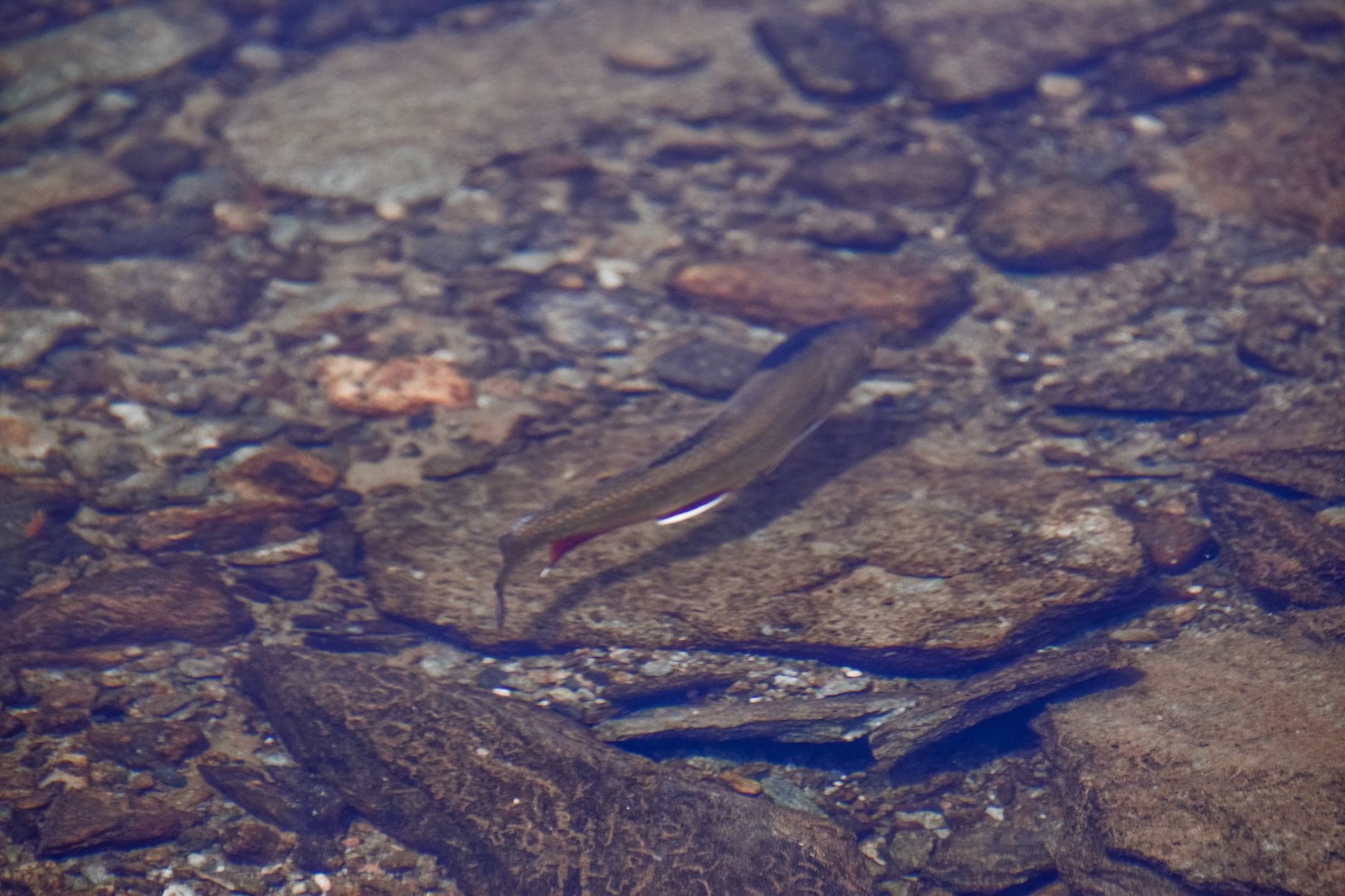
Chalk streams are spring-fed from chalk aquifers. Water filters through the chalk, emerging clear, cool and with stable flows and temperatures. Aquatic plants thrive, invertebrates are abundant, and trout and grayling feed visibly in defined lanes. It is sight-fishing water where presentation, not power, decides outcomes.
Many chalk streams are run as managed beats with set etiquette. Access, wading and methods may be limited, sometimes tightly, so check local rules before you start.
Presentation first: a simple on-water plan
On smooth, transparent water, success is built before you cast.
- Slow down and watch. Find rising fish, feeding lanes, weed edges, gravel patches and gentle pace changes.
- Work upstream. Keep your line and leader behind the fish and out of its window of vision.
- Stay low and use cover. Short, accurate casts spook fewer fish than long ones.
- Cut false casts. Land the fly first with the leader turning over cleanly but with enough slack for a drag-free drift.
- Make the first drift count. If you see drag, change the angle, shorten the line or adjust your reach before trying again.
- When nothing rises, try subtle, lightly weighted nymphs along weed edges, over clean gravel and where currents meet. Keep weight to a minimum to avoid splash and hang-ups, and check method permissions first.
Flies that work here
Keep patterns sparse and sized to what you see. Productive choices include blue-winged olive and Pale Watery style upwings, sedges and seasonal mayflies, plus small terrestrials in summer. For nymphing, choose slim, lightly weighted natural-looking patterns. Carry a sensible spread of sizes rather than a suitcase of options, and match the size and silhouette you observe rather than chasing colours.
Tackle that keeps things simple
A straightforward outfit covers most chalk stream situations: an 8 ft 6 in to 9 ft rod in 4 or 5 weight, a weight-forward floating line, a 9 to 12 ft leader and fine tippet appropriate to the fish and clarity. Polarised glasses are essential for spotting fish, reading weed beds and reducing glare. Balanced, confidence-building kit matters more than specialist or heavy setups here.
Season by season
- Early spring: nymphs and small dries often score while hatches build.
- Late spring to early summer: key upwing and sedge hatches bring classic upstream dry-fly fishing.
- High summer: terrestrials can dominate, with the best windows early and late in the day.
- Autumn and winter: where permitted, grayling offer fine sport to small dries and subtle nymphs.
Always confirm local close seasons, grayling permissions, wading rules and any beat-specific restrictions before you go.
Etiquette and care
These rivers helped define how we behave on the water. Move quietly, give other anglers space, step back to plan your next presentation and treat fish and habitat with care. Respecting rules and tradition protects fragile, globally significant rivers and improves everyone’s day.
Final thought
On chalk streams, the best upgrade you can make is not a longer cast but a better first drift. Observe, stalk, deliver one clean presentation and let the river do the rest.
Find out more
- New chalk streams strategy launched to protect ‘England’s rain forests’ - GOV.UK — Official government announcement of the national Chalk Streams Strategy — outlines partners, ambitions and recommended actions to reduce abstraction, cut pollution and restore chalk-stream habitat (useful for understanding the policy context and restoration priorities).
- Chalk rivers: nature conservation and management - EN-EA001 — Natural England’s technical handbook on chalk rivers — authoritative guidance on chalk-stream ecology, conservation and management that underpins practical restoration and fishery stewardship.
- Chalkstreams | Wild Trout Trust — Wild Trout Trust’s dedicated chalk‑streams resource — practical advice, projects and case studies on habitat restoration and fishery management aimed at anglers, clubs and river managers.
- The Riverfly Partnership — The Riverfly Partnership — the national network that trains and supports volunteer invertebrate monitoring of rivers; a good entry point if you want to help monitor chalk‑stream health or learn riverfly ID.
Image: Photo: Diana ✨ / Pexels