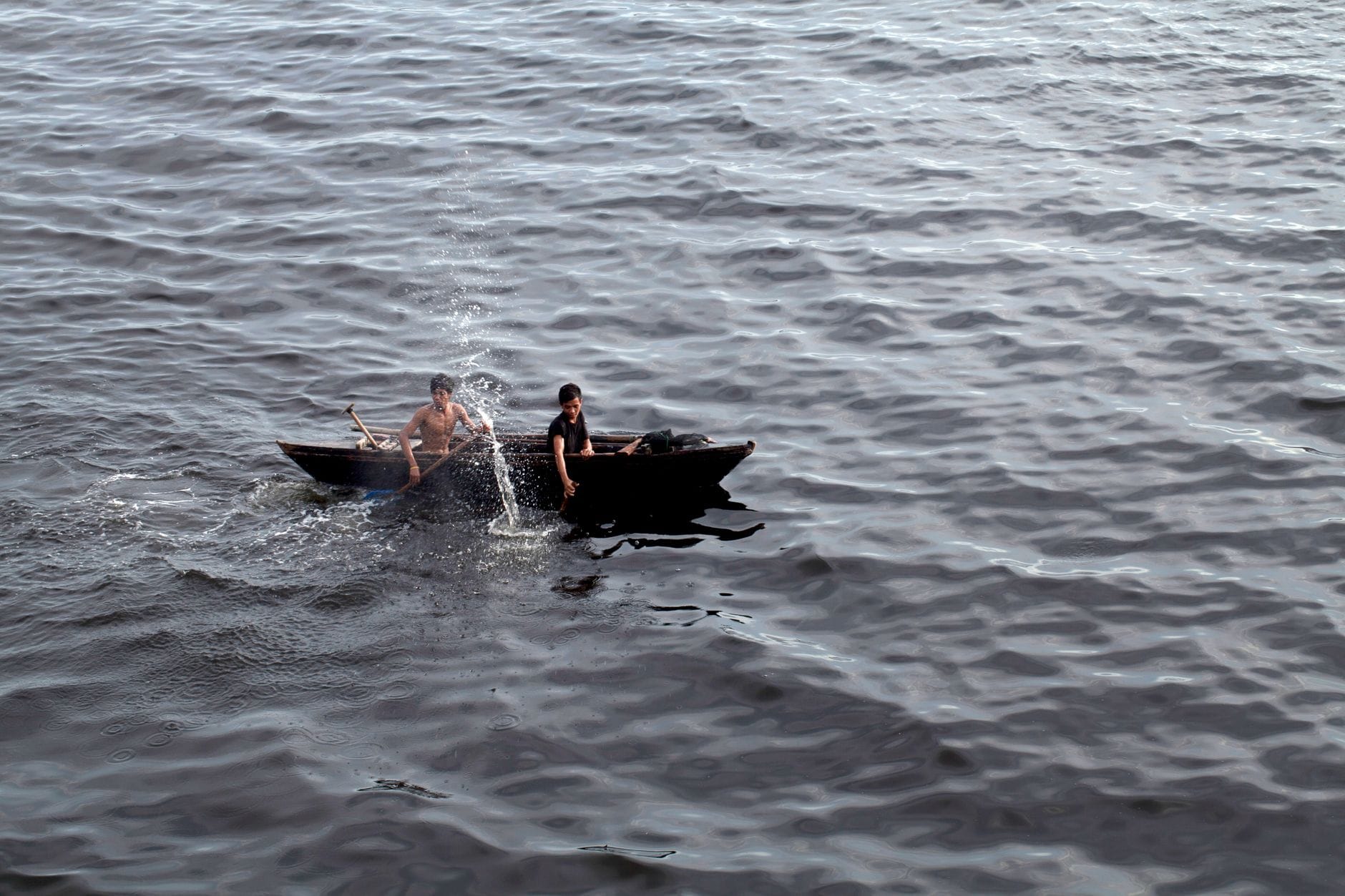
Drifting broadside, managing pace and finishing casts with a controlled dibble sit at the heart of traditional loch‑style. Here’s how to apply the method—and where its claims need caution—on UK lochs and reservoirs.
What ‘loch‑style’ means—and where it’s used Traditional loch‑style fishing is done from a drifting boat, typically broadside to the wind, presenting a small team of wet flies across the wave. Although born on Scottish and Irish waters, the approach is widely adapted on UK reservoirs as well as natural lochs. Rules and practices vary, so confirm local regulations before you rig up.
Set up the drift first Position the boat upwind of the water you want to cover and let it drift broadside to the wind. Control speed and angle with oars or, where allowed, a stern drogue to hold a steady “fishing pace.” According to the source, a drift that’s too fast causes flies to skitter unnaturally; too slow and the fly team sags, losing life and control. Adjusting the drogue or oar strokes to stay in that middle ground is central to success.
The default rig and why it works - Line: A floating line is the standard starting point. - Fly team: Where fishery rules permit, fish two or three flies. The source suggests a classic role split—keep the bob fly riding in or near the surface film while the point fly searches deeper water. (Exact leader lengths, dropper spacing, tippet diameters and knots are not specified in the source and will need to be chosen to match local rules, fly size and wave conditions.)
Cast, retrieve, and the end‑game dibble Start a medium hand‑twist retrieve as soon as the flies land. Maintain contact throughout the drift so the flies track correctly and you’re primed to feel takes.
Finish each cast with a ‘dibble’: lift the rod high at the end of the retrieve to animate the top dropper in the wave. The source claims most takes occur at this point. Treat that as a useful cue rather than a universal truth—the statement hasn’t been independently corroborated here—but it’s certainly a phase when switched‑on fish often show themselves.
Read the rises, choose the pace and pattern Watch trout behaviour and match your approach: - Head‑and‑tailing fish: These suggest emergers or buzzer activity. The source points to buzzers and slower retrieves. - Boils just under the surface: This points to sedge pupae. The source recommends patterns such as Invicta or Dabbler and an appropriate, steady retrieve. - Aggressive swirls: This can indicate fish targeting terrestrials or fry. The source advises a faster retrieve and a more assertive dibble to trigger reaction takes.
Practical coverage and boat handling tips - Work methodically across the wind to cover new water on each drift line. - If the boat accelerates down gusts, increase drogue drag where permitted or use brief oar checks to prevent skittering. - If the boat stalls in lulls, a few hand‑twist turns can keep life in the flies until the breeze returns. Should the drift become too slow overall, reset upwind.
Bank fishing when you can’t launch Where boats aren’t an option, the same principles help from the shore. The source suggests casting across the wind so the flies work with a small wave. Cover bays and margins methodically. On Highland lochs in particular, wade with care: shelving can be abrupt and unpredictable, and footing variable.
Rules, safety and access—check locally - Number of flies: Some waters allow three; others insist on two or even single‑fly. Confirm before tying up a team. - Drogue and anchoring: Policies vary between natural lochs and UK reservoirs. Verify whether drogues are permitted and if anchoring is allowed or restricted. - Lifejackets and boat policies: Requirements differ by venue. Check current rules before launching. - Access: Scotland’s Outdoor Access Code enables responsible access to many lochs; English and Welsh reservoirs and private waters typically require specific permissions. Always check fishery guidance.
What the method does—and doesn’t—claim The retailer‑authored source describes loch‑style as highly effective and asserts it as “the most productive stillwater method” in the right conditions. That is opinion and not backed here by comparative data (such as competition catch rates or fishery statistics). Treat loch‑style as a proven, widely used approach rather than a guaranteed top performer everywhere and every day.
Gaps to fill before you go A few important details aren’t covered by the source and will need local verification or your own testing: - Leader architecture: Total length, dropper spacing, tippet strengths and suitable knots for your fly sizes and wave conditions. - Line density changes: When to shift from a floating line to an intermediate, sink‑tip or sinking line under varying wind, light and temperature. - Calm, bright or very rough days: Specific adaptations for flat calms and for heavy winds beyond safe drift speeds are not detailed. - Seasonal patterns: The source does not provide a hatch calendar or size/colour guidance by month. - Fish welfare: If practising catch‑and‑release, adopt handling methods consistent with your fishery’s recommendations. The source does not detail handling in waves or near‑boat takes.
A simple starting plan for your next outing - Boat control first: Set a broadside drift and tune speed with drogue or oars to avoid skittering or sagging. - Default rig: Floating line with a two‑ or three‑fly team if allowed; bob fly near the film, point fly probing deeper. - Retrieve and finish: Begin a medium hand‑twist immediately; complete each cast with a deliberate dibble at the boat. - Read the water: Let rise forms steer fly choice and pace—buzzers for head‑and‑tailers, Invicta/Dabbler for pupae boils, faster moves for aggressive swirls. - Bank option: Cast across the wind, cover margins and bays, and wade cautiously on shelving shores.
Used with sound boat handling and an observant eye for rise forms, these fundamentals transfer from Scottish lochs to Irish loughs and many English and Welsh reservoirs. Build from this base, confirm local rules, and refine leader setups and line choices through on‑water testing.
Image: Photo: Jeffry Surianto / Pexels