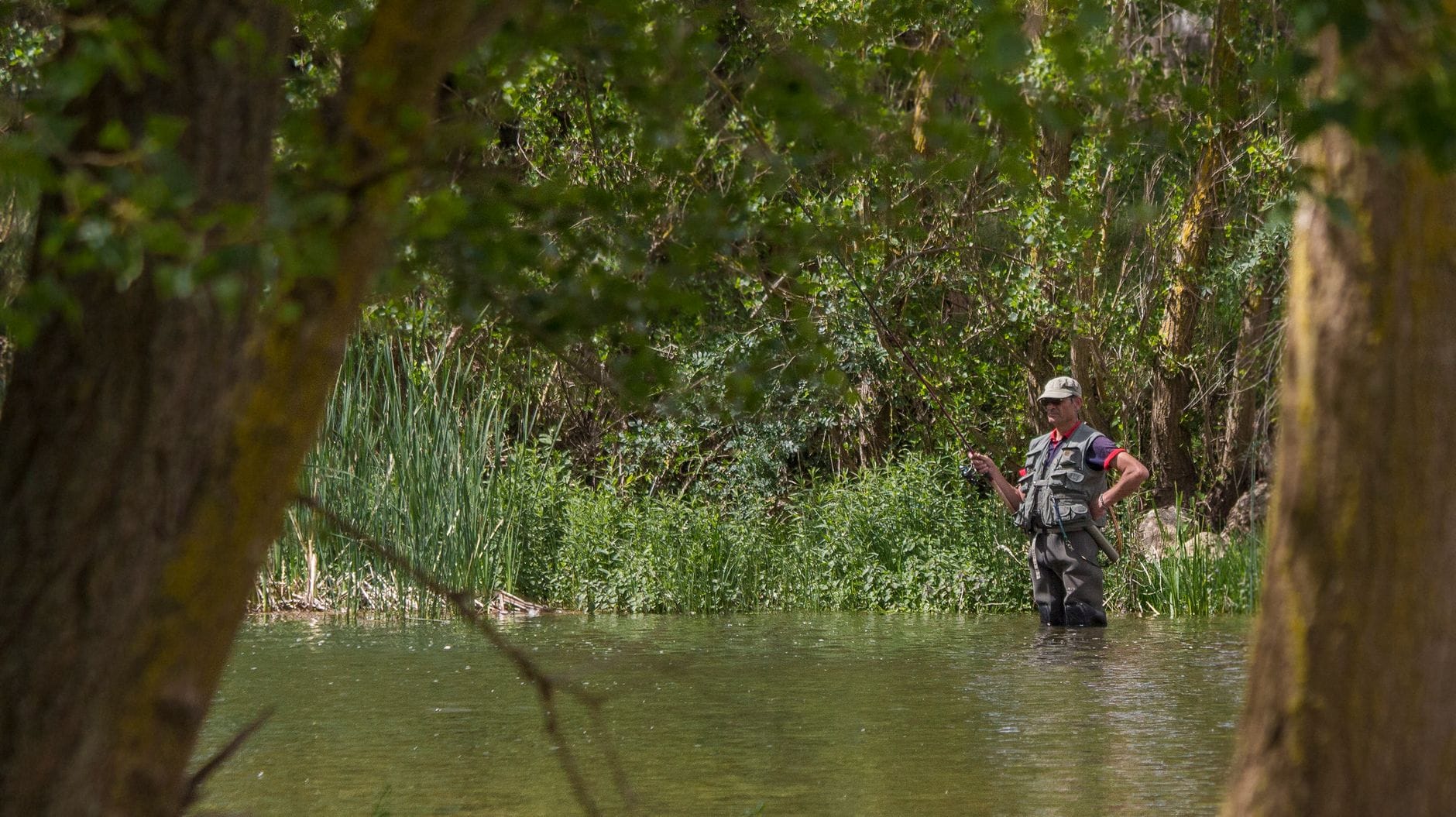
Flagship North East rivers are showing low returns this season, with faulty or offline fish counters muddying the picture. Anglers should be cautious with 2026 figures and plan trips using local conditions and reports.
Why this matters now
The Tyne, Wear and Tees are among the UK’s most popular salmon and sea trout rivers. Early 2026 numbers from Environment Agency fish counters point to a weak run so far. However, breakdowns and estimates mean the picture is incomplete, so anglers should treat the figures carefully and lean on river conditions and local knowledge when choosing when to fish.
What the counters show so far
The Wear counter has been out of action since early 2025. On the Tyne, the Riding Mill counter was faulty for much of 2026, with estimated readings until repairs and strengthening were completed in June. Once fully operational, the Tyne’s counters logged 6,471 salmon and sea trout in July 2026. That is well below the last comparable, non‑estimated July, which saw 11,845 fish in 2022.
On the Tees, only 30 fish were recorded up to July 2026. July itself saw 83 fish, still low by recent standards. The EA cautions that it is too early to draw firm conclusions mid season. Run timing can shift with weather, flow and temperature, and counters may undercount when fish use alternative routes or environmental conditions affect passage.
The Tyne’s outlook to 2029
The EA reports declining egg deposition on the Tyne. It forecasts that by 2029 the river’s salmon stock status will worsen from not at risk to probably not at risk. This matters nationally because the Tyne is currently the only salmon stock in England classed as not at risk. If that status changes, tighter regulations may follow. Details are not confirmed, but measures could include expanded catch and release or seasonal controls.
Planning your 2026 trips
With patchy data, treat the counters as one input rather than the deciding factor. Focus on what you can see and verify.
- Watch river levels and recent weather. Fresh water after rain often helps movement.
- Use local club updates, fishery notices and tackle shop reports to gauge recent catches and sightings.
- Time sessions around likely movement windows, for example rising or falling spate water and suitable tides on lower beats.
- Be prepared to move. If one tributary is quiet, another may have a pulse of fish.
- Fish sympathetically. Quick release, barbless hooks and keeping fish wet protect a stressed stock.
Repairs, habitat work and what might help
The Tyne’s Riding Mill counter was repaired and strengthened in June 2026 to improve resilience. The EA says it is continuing habitat and fish passage improvements across these rivers to support spawning and juvenile survival. These actions aim to help long term resilience, although they will not guarantee a strong run this season.
What to watch next
Keep an eye on post‑repair Tyne counts through late summer and autumn, along with Tees updates. Early lows do not always predict final totals, but July on the Tyne was clearly down on the last comparable year. Combine any new data with flow graphs and recent local reports before committing travel time.
If the Tyne’s stock status does decline by 2029, anglers should expect discussion of stricter management. For now, conservative expectations and careful handling will make the most of what could be a lean year.
Find out more
- River Tyne fish counts — Official Environment Agency fish-counter data for the Riding Mill site on the River Tyne — daily and monthly upstream counts (includes the July 2026 figures referenced in the article).
- Find river, sea, groundwater and rainfall levels - GOV.UK — GOV.UK 'Find river, sea, groundwater and rainfall levels' (Check for flooding) — official service to view recent river-level and trend data for gauges on the Tyne, Wear and Tees to help time sessions.
- Fish numbers in the Tyne, Wear and Tees rivers declining — BBC coverage summarising the EA counts, the Riding Mill counter repair and the low Tees figures — useful for concise news context and recent reporting.
- Catch & Release | The Fishing Passport — Catch & Release guidance from The Fishing Passport (produced with fisheries bodies) — practical, UK-focused best practice for handling salmon and sea trout to maximise survival.
- Impact Report 2025-26 - The Rivers Trust — The Rivers Trust Impact Report 2025–26 — outlines habitat-restoration, natural flood management and fish-passage work that supports salmon and trout resilience across UK catchments.
Image: Photo: Francisco Fernández / Pexels