A UK blog centred on the Welsh Dee shares month-by-month fly picks, step-by-step tying and river tactics. It is promising practical reading for freestone anglers, if treated as informed opinion and checked against local rules.
What the blog offers
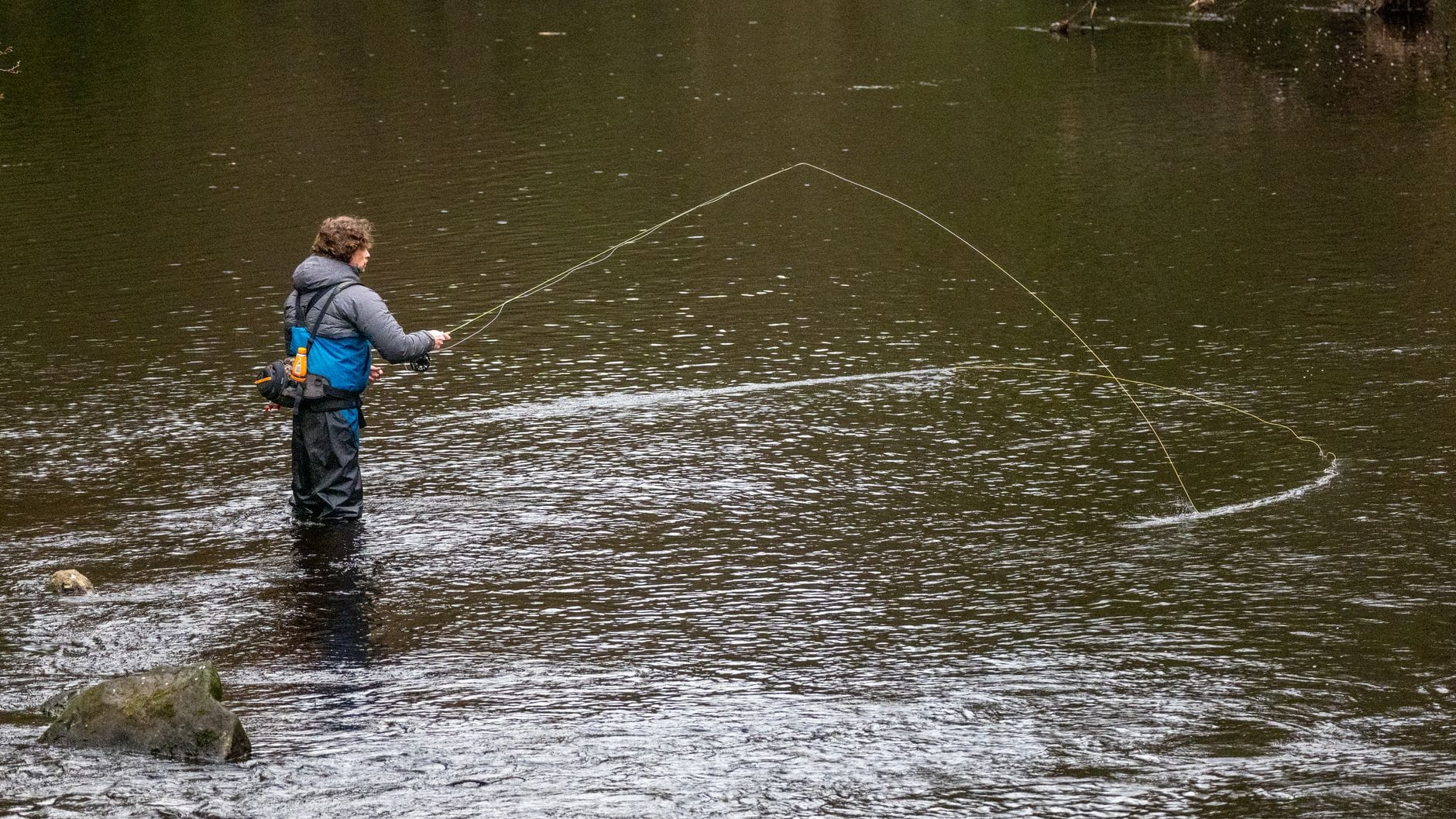
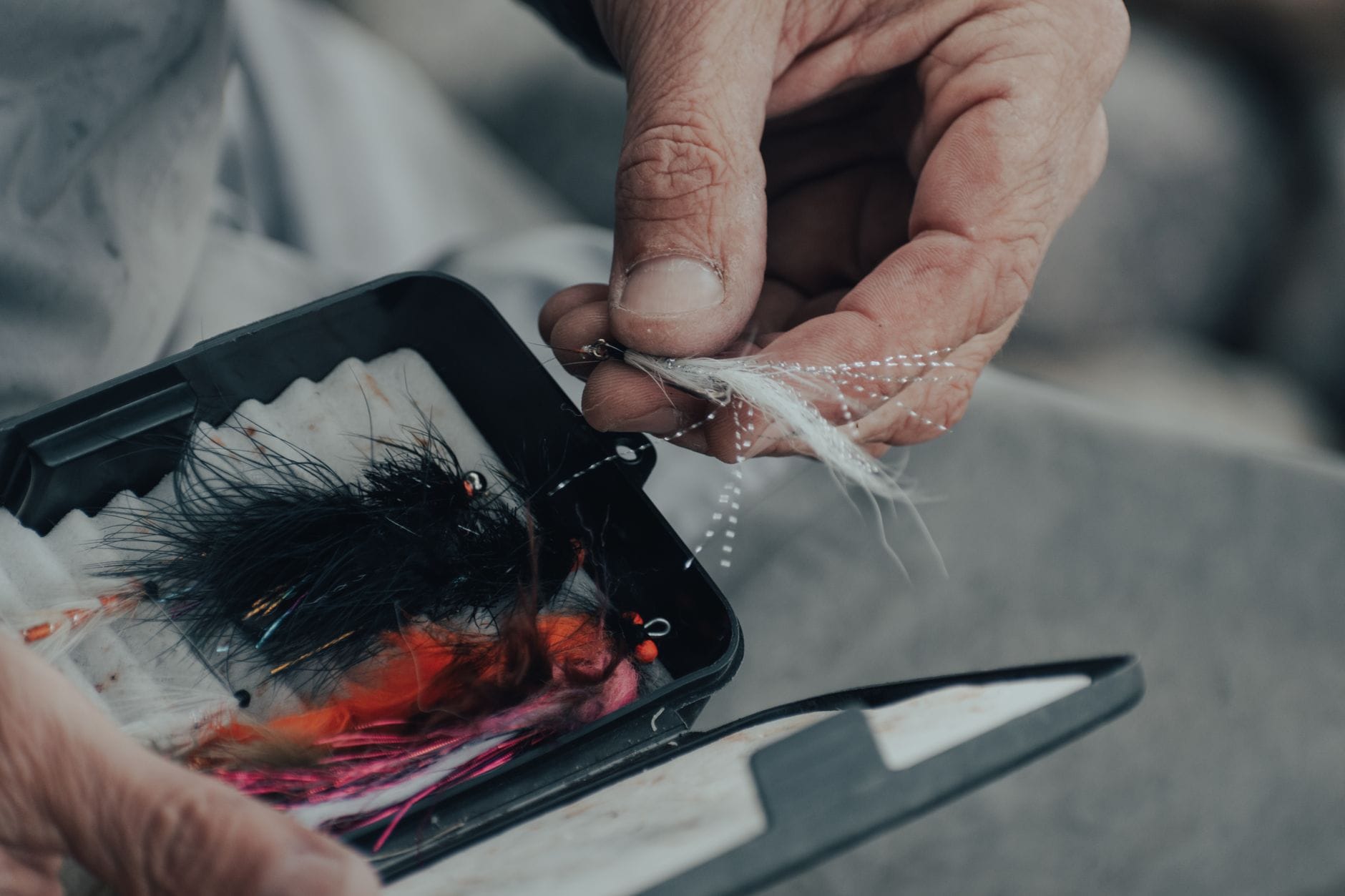
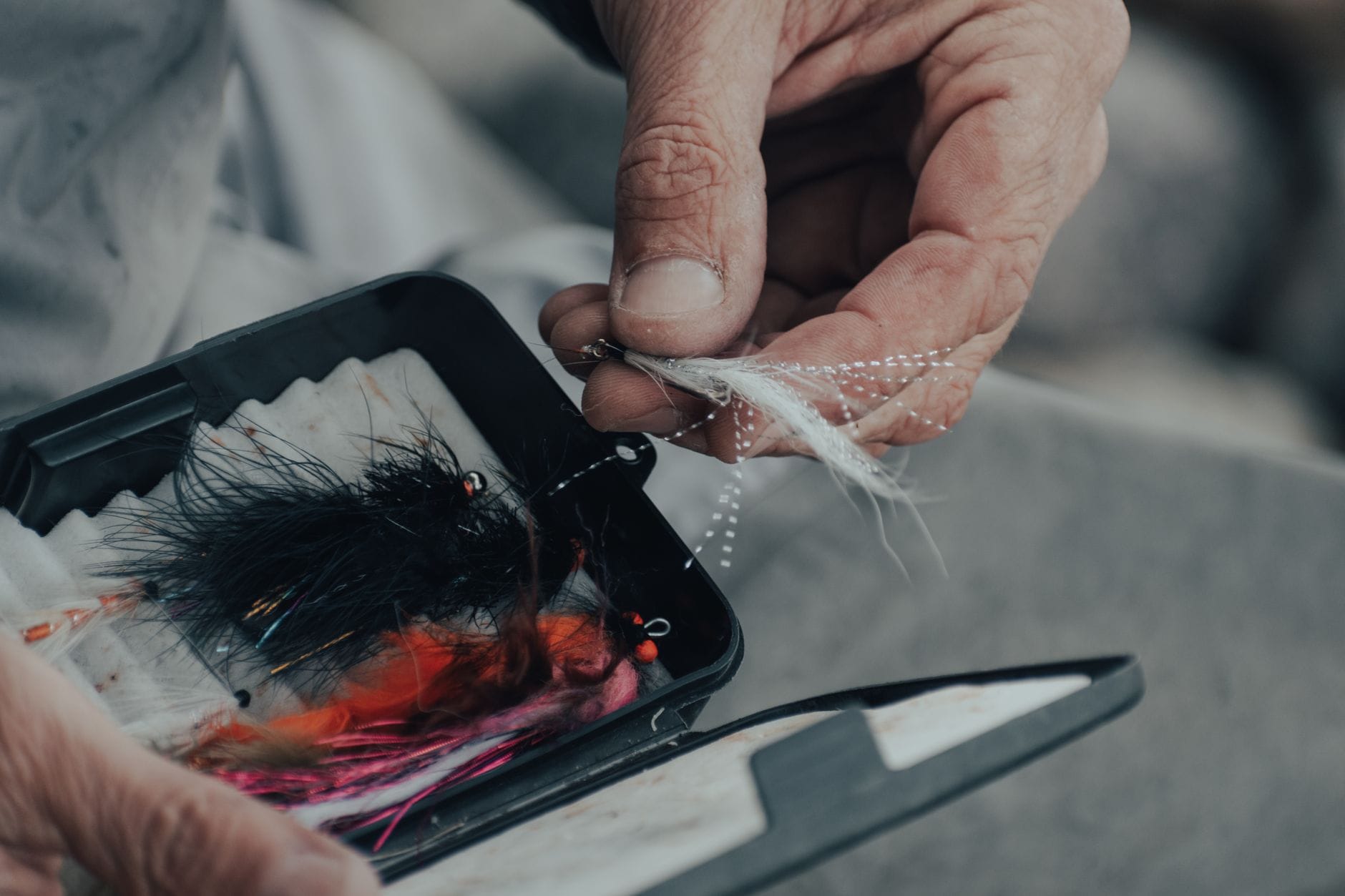
A UK-based, experience-led blog focused on the Welsh Dee and similar freestone rivers publishes month-by-month trout and grayling fly recommendations covering much of the season. In the snippets seen this runs from January through August. It also carries tying tutorials, including a Paradun Olive, a March Brown Spider and a Squirmy Wormy. Beyond tying, there are pieces on Euro nymphing and kick sampling, a daytime sea-trout article for the Dee, and a beginner’s guide to fly-fishing for sea bass. One post reviews a Hardy Marksman rod that the author describes as a gift. The author also reports catching grayling on the River Calder, on the Ribble Rivers Trust’s Miton beat, using Euro nymphing.
Why it matters to UK anglers
Month-by-month fly picks can help structure a working river box for freestone water and encourage you to anticipate typical seasonal patterns. The tying walk-throughs provide a route to self-sufficiency on proven river patterns, while the Euro nymphing and kick-sampling pieces reflect widely used, effective approaches on UK freestones. Although the blog is Dee-centric, much of the content should translate to other freestone rivers. Themes such as March Browns and Large Dark Olives appear in the site’s tying and topic choices and will be familiar to many UK river anglers.
How to put it to work
- Treat fly lists as starting points. Freestone rivers vary, so match the suggestions to your hatch observations, water colour and flow.
- Use kick sampling on arrival. A quick riffle sample to see what is actually drifting can sharpen fly choice more than any static list.
- Apply Euro nymphing where appropriate and allowed. The blog’s emphasis mirrors current practice and is backed, at least anecdotally, by the author’s Calder grayling session.
- Translate with care beyond freestones. Chalkstreams and stillwaters often need different patterns and presentations. Do not assume a direct carry-over.
Checks and caveats
- It is informed opinion. Many claims are subjective, such as best or expert. Treat them as guidance, not gospel.
- Currency is unclear. The snippets do not show publication dates, apart from a March piece noting a 2026 update. Confirm that recommendations still reflect today’s conditions.
- The evidence base is unknown. There are no catch logs, temperature or flow data, or detailed hatch records behind the picks in what we saw.
- Regulatory due diligence is essential. For Dee daytime sea-trout tactics and sea-bass fly-fishing, confirm current national and local bylaws on seasons, methods and retention or slot rules before you act.
- Product bias is possible. The Hardy Marksman review follows a gifted rod disclosure. Treat it as a personal view and handle and cast any rod yourself before purchasing.
- Access and etiquette matter. The Calder example mentions the Ribble Rivers Trust’s Miton beat. If you plan a visit, check access arrangements and beat rules directly.
Tying content you can bank
The site includes step-by-step material for a Paradun Olive, a March Brown Spider and a Squirmy Wormy. They are useful anchors for a freestone box. If you tie from these guides, match sizes and colours to what your kick sample and on-water observations show. Ensure hooks and materials comply with your fishery’s rules, including any barbless requirements.
Quick field checklist
- Cross-check the month picks with your local club notes or riverfly monitoring results.
- Look up current river levels and clarity before choosing between dries, wets or nymphs.
- Take a two to three minute kick sample on arrival and adjust fly choice accordingly.
- If Euro nymphing, confirm legality and adapt leader and weight to depth and flow.
- Re-read any sea-trout or sea-bass guidance alongside the latest regulations.
Open questions
- Who is the author and what are their credentials?
- How current are the posts overall, beyond the single March 2026 update note?
- Do full articles include specific sizes, materials and step-by-step methods for every recommended pattern?
- How well do Dee-based picks map to other freestone systems such as the Usk, Wye or Eden?
- Are there any other disclosures or affiliations beyond the gifted rod?
Bottom line
For anglers on the Welsh Dee, and on similar UK freestone rivers, this blog looks like a useful, practical read. Expect month-by-month fly picks, tying guides and tactics that align with what many of us already do. Treat it as experienced opinion, verify against local entomology and regulations, and you will likely extract real on-the-water value.
Find out more
- Natural Resources Wales / Sea trout open seasons and method restrictions — Natural Resources Wales page listing sea‑trout open seasons and method restrictions for the Dee (and other rivers) — essential for checking permitted seasons, gear and catch‑and‑release rules before trying daytime sea‑trout tactics.
- Confirmation of the Salmon and Sea Trout Byelaws 2025 ... — Official Welsh Government notice confirming the Salmon and Sea Trout Byelaws 2025 for the River Dee — useful to verify the legal status of recent byelaw changes mentioned in the blog.
- Become a Monitor — The Riverfly Partnership — The Riverfly Partnership’s ‘Become a Monitor’ guidance — authoritative kick‑sampling and riverfly monitoring training resources so anglers can learn practical kick‑sampling and invertebrate ID to check hatch evidence on arrival.
- Marksman Fly Rod | Hardy — Hardy’s official Marksman fly‑rod product page — a manufacturer source for specifications and features to compare with the blog author’s gifted‑rod impressions.
Image: Photo: Gaspar Zaldo / Pexels