Long-term monitoring shows drought, worsened by abstraction and pollution, is reducing riverfly diversity in England's chalk streams. Hatches, fish condition and fishery reliability are changing, but practical flow, habitat and water-quality actions can build resilience.
Why this matters now
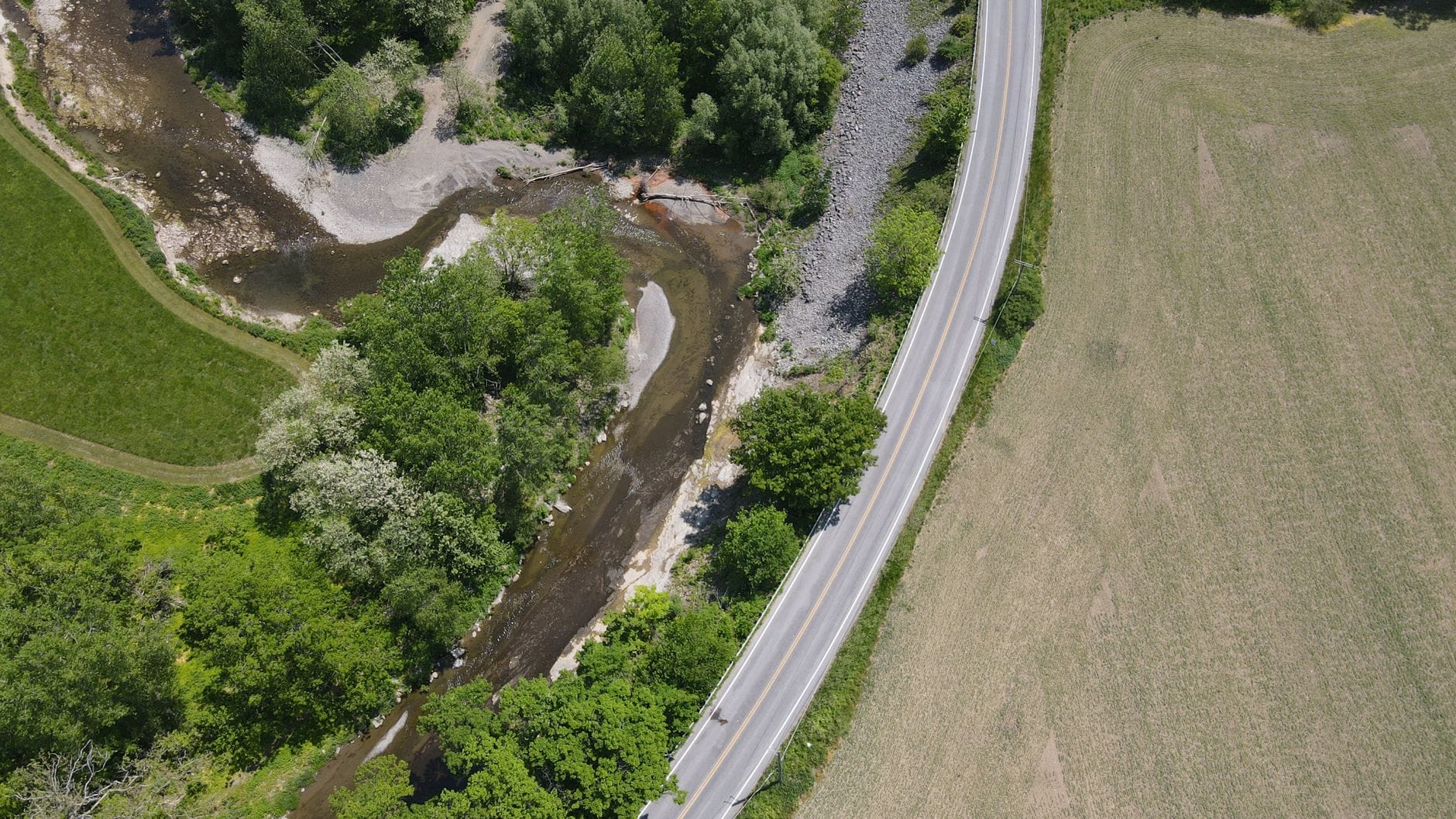
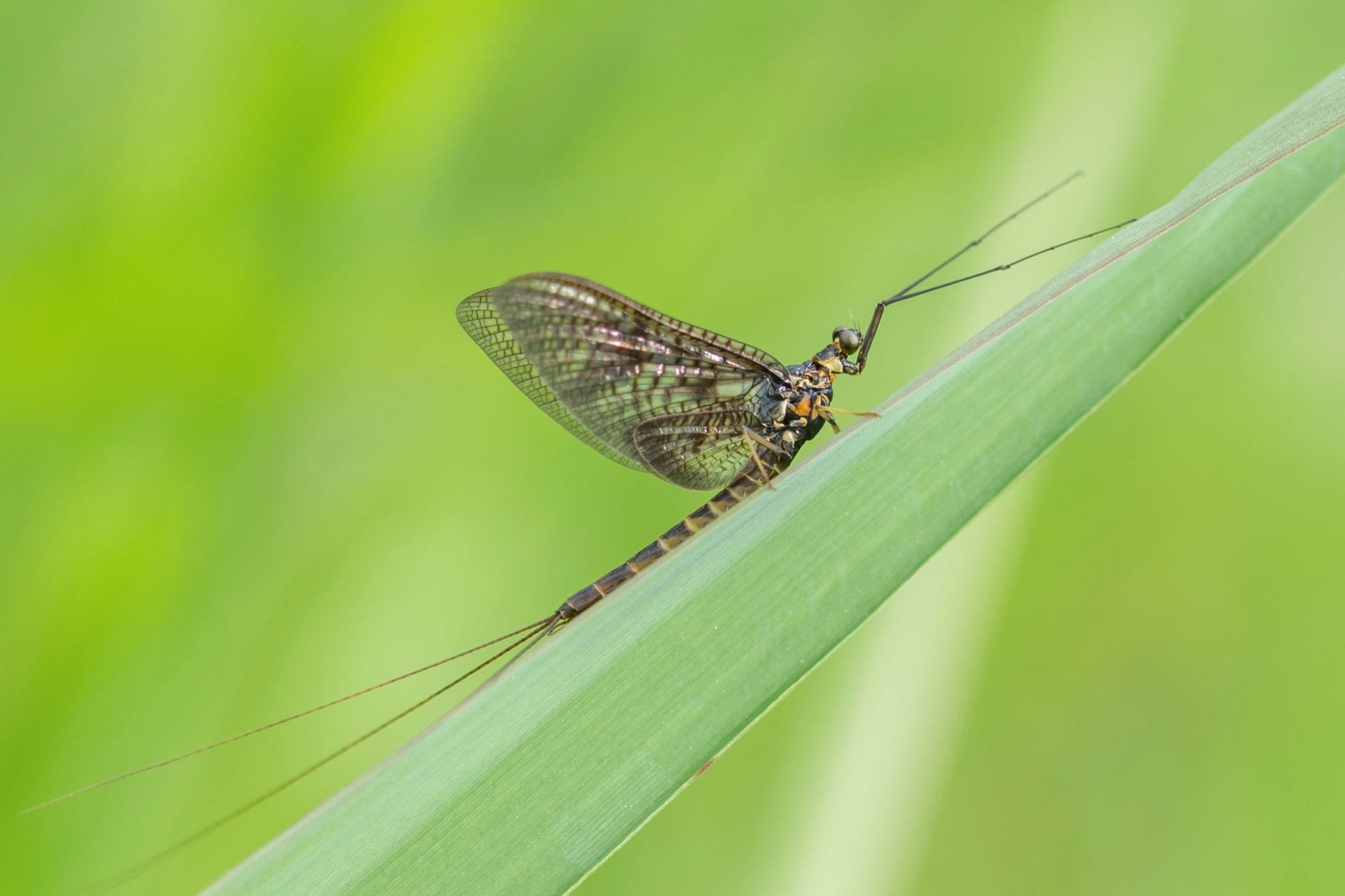
Chalk streams run on groundwater. In normal years they include both always-flowing reaches and temporary winterbourne sections that run only when aquifers are high. During drought, even usually perennial water can slow, shrink or cease flowing. Riverflies, especially mayflies, stoneflies and caddisflies, underpin trout, grayling and salmon fisheries. When flows drop and water warms, these insects suffer, hatches falter and fish welfare risks rise.
What the long-term data shows
Decades of monitoring from English chalk streams reveal clear patterns:
- Invertebrate biodiversity falls during drought. Communities shift away from fast-water specialists, notably the classic EPT riverflies, toward slow-flow taxa such as beetles and snails.
- After a single drought, many communities rebound within 1 to 3 years, but some species take up to a decade to return. Repeated or severe drying raises the risk of local extinctions, particularly for drought-sensitive taxa with poor recolonisation ability.
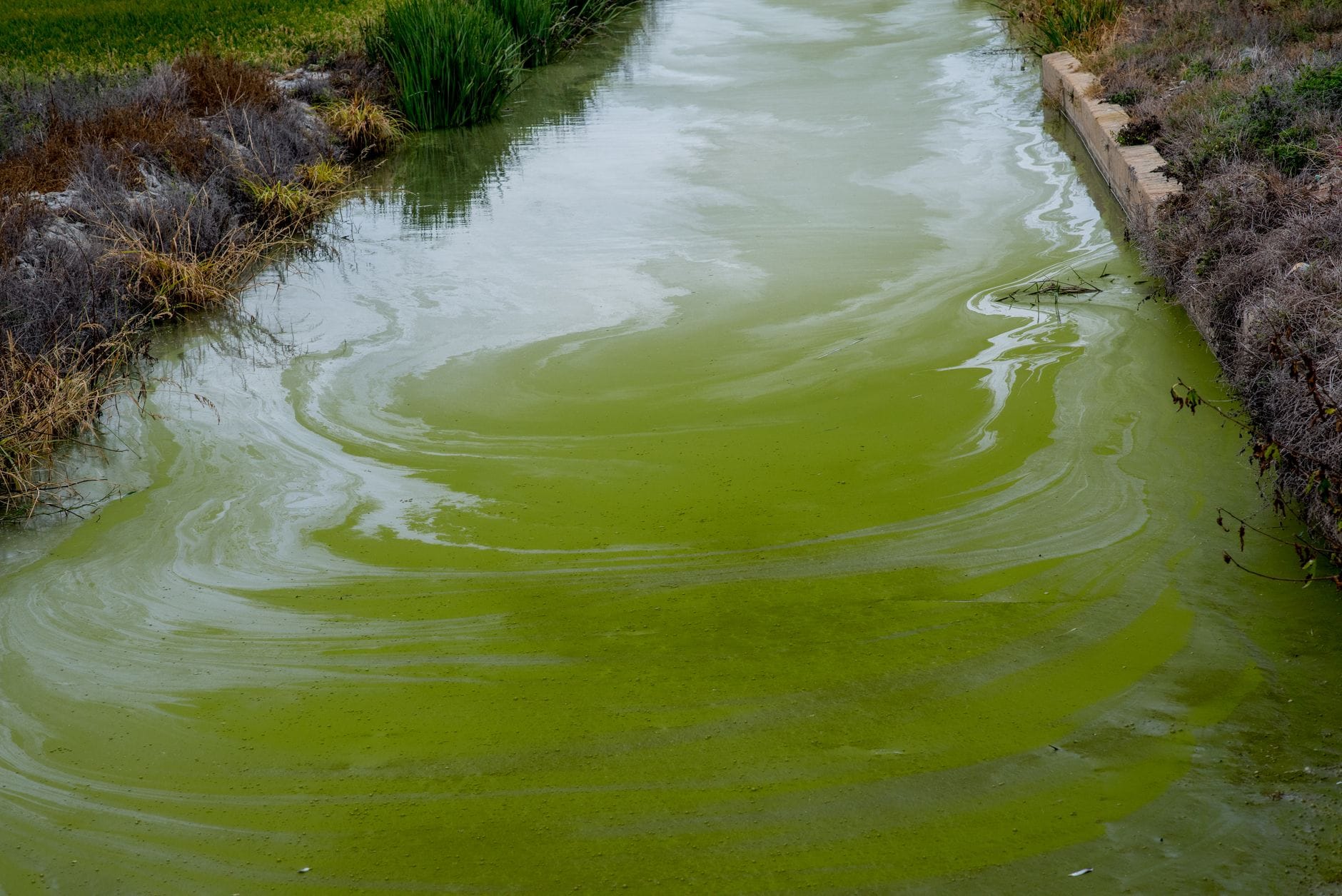
- Human pressures worsen the damage. Groundwater abstraction and pollution deepen low flows and concentrate treated effluent. Oxygen can drop, which risks fish kills and losses of sensitive invertebrates.
- Occasionally, a severe drought coincides with a lasting shift in community makeup at a site. Where water quality has improved, some sensitive EPT taxa have shown stronger post-drought rebounds.
The takeaway for anglers is that drought does not simply reduce flow. It reshapes the invertebrate base of the fishery, with knock-on effects that can persist across several seasons.
On the water: what to expect
- Hatches may be reduced or poorly timed after drought, and recovery can be uneven between reaches and seasons.
- Fish condition can suffer in warm, low, low-oxygen water. Consider fishing early or late, reduce handling, and give vulnerable reaches a rest during hot spells. Some clubs may opt for temporary closures.
- Winterbourne sections still matter. They are part of the natural rhythm of chalk streams and can host specialised species. Treat dry-phase areas as sensitive habitats, not lost water.
What builds resilience
Evidence points to a set of actions that help chalk streams ride out dry spells and recover faster:
- Restore more natural flows by reducing abstraction and improving physical habitat so water can move and spread as it should.
- Reconnect habitats to refuges so invertebrates and fish can persist and recolonise. Groundwater-fed pools, clean gravels and subsurface flow paths are especially valuable.
- Improve water quality to keep oxygen up and pollutants down when flows are thin.
- Monitor biology consistently to track change and target effort. Citizen science can help fill gaps, for example through SmartRivers.
How anglers and clubs can help
- Plan events and guiding with recent drought history and flow permanence maps in mind. Prioritise more reliable reaches in dry years.
- Focus habitat work on keeping key refuges wet and connected, and on protecting clean gravels that support invertebrates and spawning.
- Support advocacy for reduced abstraction and better effluent quality. These are direct levers for stronger hatches and healthier fish.
- Join or host local monitoring. SmartRivers data can show where recovery is stalling and where investment pays off.
A realistic optimism
Droughts will continue to test chalk streams, and human pressures can turn a dry spell into a crisis. Yet the same monitoring that documents losses also shows that recovery is possible, and often swift, when flows, habitat and water quality are looked after. Anglers have a close-up view of change and a practical role in tipping the balance toward resilience.
Find out more
- SmartRivers | Scientifically Robust Citizen Science — SmartRivers (WildFish): overview of the nationwide SmartRivers citizen‑science programme and how volunteers use invertebrate sampling to track river health — useful if you want to join monitoring or see regional results.
- Riverfly Monitoring Initiative (RMI) — The Riverfly Partnership — Riverfly Partnership — Riverfly Monitoring Initiative (ARMI): authoritative page on the Anglers’ Riverfly Monitoring scheme, its standard sampling method, training and how clubs and anglers can get involved.
- Habitat Improvement | Wild Trout Trust — Wild Trout Trust — Habitat Improvement: practical guidance (including the Chalkstream Habitat Manual) on habitat restoration, gravel management and on‑the‑ground techniques anglers and clubs can use to boost resilience.
- How does the Environment Agency manage abstraction to protect the environment? – Environment Agency: For homes and habitats. — Environment Agency guidance on abstraction: official information about how abstraction licences and hands‑off flow conditions are managed during droughts and what options exist to protect flows.
Image: Photo: Tom Christensen / Pexels